Aiws.Net Hosts the Policy Discussion on Transatlantic Approaches on Digital Governance: A New Social Contract in Ai Age

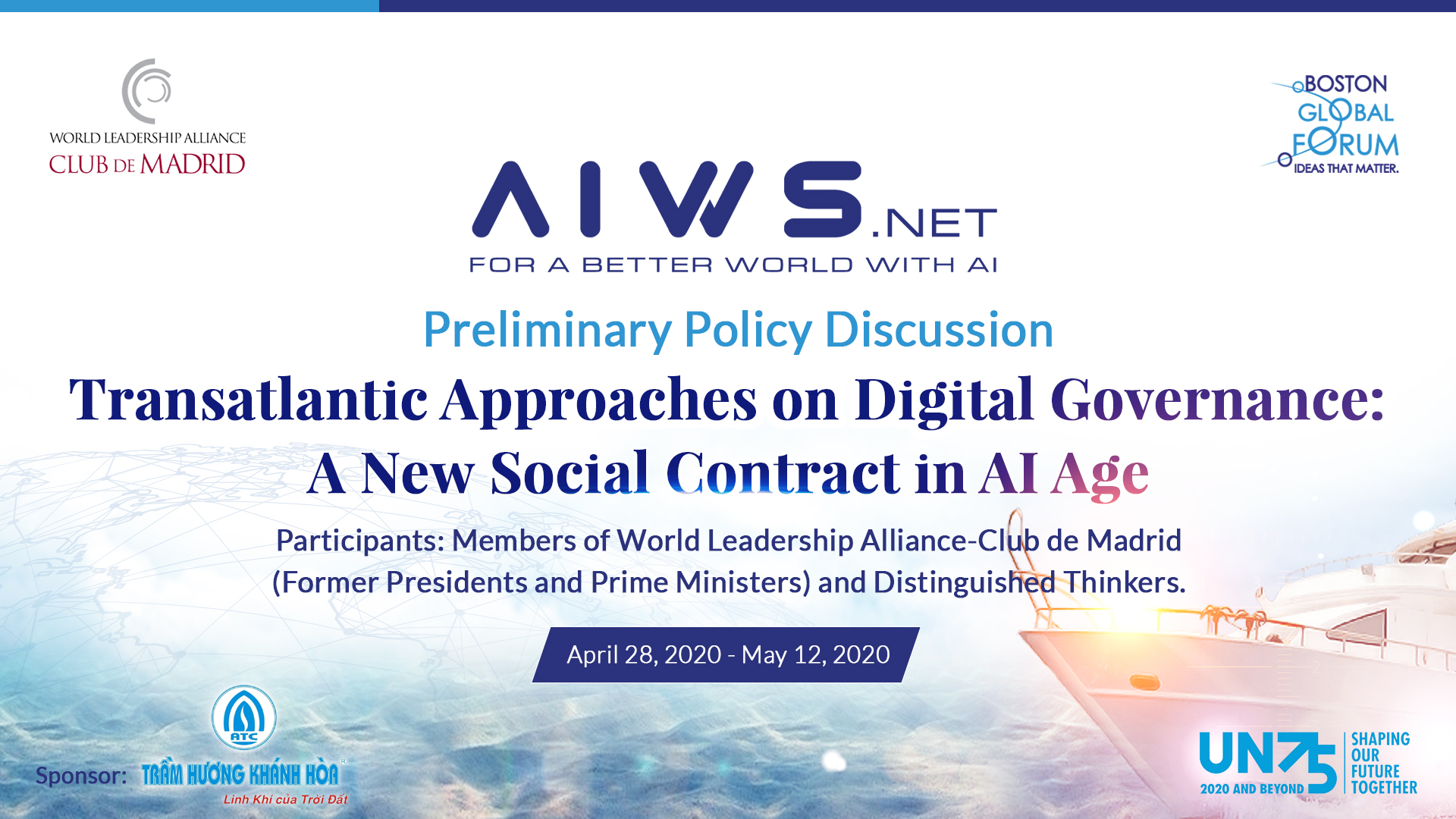
An online preliminary policy discussion about the Transatlantic Approaches on Digital Governance: A New Social Contract in Artificial Intelligence (AI) Age will be held under the AI World Society Innovation Network (AIWS.net) from April 28, 2020.

A face-to-face policy discussion will be held in Boston in September 16-18, 2020.

The World Leadership Alliance-Club de Madrid (WLA-CdM) in partnership with the Boston Global Forum (BGF) is organizing a Transatlantic and multi-stakeholder dialogue on global challenges and policy solutions in the context of the need to create a new social contract on digital technologies and Artificial Intelligence (AI).

Over the years, Transatlantic relations have been characterized by close cooperation and continuous work for common interests and values. This cooperation has been essential to enhance the multilateralism system, considering the shared principles from both sides on democracy, rule of law, and fairness.

By comparing American and European approaches in the creation of a new social contract on AI Age and digital governance, under the critical eye of former democratic Heads of State or Government, this policy dialogue will stimulate new thinking and bring out ideas from representatives of governments, academic institutions and think tanks, tech companies, and civil society, from both regions.

At the same time, the discussion will generate a space to encourage and strengthen Transatlantic cooperation on the new social contract of digital governance in the framework of needed reforms of the multilateral system and will serve as a platform to establish a Transatlantic Alliance for Digital Governance. Besides, the policy discussion aims to discuss the creation of an initiative to monitor governments as well as companies in using AI and generate an AI Ethics Index at all levels.

Given the world health emergency experienced in the first months of the year related to the COVID-19 pandemic and its impact in all actors and spheres of life, digital technologies, and artificial intelligence have been strong allies to face the situation in multiple dimensions (scientific, health, social, etc.). However, digital technologies also bring new challenges to address under these circumstances. New communication channels have contributed to the rapid spread of fake news about COVID-19, generating disinformation, increasing confusion and influencing society’s perception, raising collective concern. On other occasions, the new tools used to track and face the virus could imply a violation of privacy rights.

The relevance of the topic leads us to include a global health security component to the Policy Lab, analyzing the implications of artificial intelligence and new technologies in this regard, as well as the response of governments, international organizations, companies and society, where the situation has demonstrated that a Social Contract on digital governance and the renewal of multilateralism and global cooperation mechanisms are more necessary than ever.

Transatlantic Approaches on Digital Governance: the Social Contract 2020

Transatlantic Approaches on Digital Governance:   A New Social Contract in Artificial Intelligence


Description:

The World Leadership Alliance‐Club de Madrid (WLA‐CdM) in partnership with the Boston Global Forum (BGF) is organizing a Transatlantic and multi‐ stakeholder dialogue on global challenges and policy solutions in the context of the need to create a new social contract on digital technologies and Artificial Intelligence (AI).


Over the years, Transatlantic relations have been characterized by close cooperation and continuous work for common interests and values. This cooperation has been essential to enhance the multilateralism system, considering the shared principles from both sides on democracy, rule of law, and fairness.


By comparing American and European approaches in the creation of a new social contract on AI and digital governance, under the critical eye of former democratic Heads of State or Government, this policy dialogue will stimulate new thinking and bring out ideas from representatives of governments, academic institutions and think tanks, tech companies, and civil society, from both regions.


At the same time, the discussion will generate a space to encourage and strengthen Transatlantic cooperation on the new social contract of digital governance in the framework of needed reforms of the multilateral system. Special attention will be focused to engage technological companies as key stakeholders of digital governance, while protecting democratic mandate for public policy‐makers.


Objectives:

•       To help leaders from both sides of the Atlantic to engage technological companies as key stakeholders of digital governance while protecting the democratic mandate of public policy‐makers.

•       To generate action‐oriented analysis and policy recommendations to strengthen the role of the multilateral system in shaping a common digital governance, following the call for action of WLA – CdM’s 2019 Policy Dialogue on ‘Digital Transformation and the Future of Democracy’, and the Boston Global Forum’s (BGF) work on the AIWS Social Contract 2020 and AIWS Innovation Network.


Activities:

The policy discussion will:

•       Offer a multi‐stakeholder platform to stimulate innovative thinking in the new social contract on digital governance in the framework of Transatlantic cooperation.

1.     Rationale

Digital technologies are rapidly transforming society. Critical infrastructures of all kinds, from telecommunications to medical devices and financial services, increasingly rely on digital and artificial intelligence systems developed and operated by a small number of large technological companies. The technical complexity of digital technologies, coupled with the concentration of digital markets in the hands of a relatively small number of corporate giants, gives these an unprecedented leverage over public policy‐making processes aimed at governing the digital environment, both nationally and internationally.

While the benefits of inclusive consultations in public policy‐making have long been acknowledged and promoted by democracy advocates the world over, the UN Secretary‐ General’s High‐level Panel on Digital Cooperation, in its June 2019 report, recommends to push inclusion one step further by adopting a multistakeholder approach to digital policy making. International digital cooperation, it asserts, cannot be led exclusively by governments through multilateral efforts; it also requires cooperation structures that involve other stakeholders such as technological companies, civil society, academics and technology specialists to address the social, ethical, legal and economic impact of digital technologies in order to maximize their benefits and minimize their harm.

The rapid deployment and decentralization of new technologies and artificial intelligence beyond the control of States, as well as the digital interdependence in this globalized world, presents itself as a current global challenge. It involves a division of responsibility that leads to a sweeping set of interrelated challenges for governments and the multilateral system and requires the articulation of collective responses at all levels.

The practice of multistakeholderism is not new. Multistakeholder initiatives have been burgeoning for over two decades, particularly in areas related to standard setting. In the digital sphere, examples of long‐standing multi‐stakeholder initiatives include the Internet Engineering Taskforce (IETF), which has been setting technical standards related to internet protocols since 1986, and the Internet Corporation for Assigned Names and Numbers (ICANN), which has been managing the global domain name system since 1998. More recently, various national and international public bodies have also permanent multistakeholder structures to advise them on digital policy, such as the UN Secretary‐General’s Multistakeholder Advisory Group tagged to the Internet Governance Forum.

Multistakeholderism, however, poses fundamental questions related to the core principles of democracy. By devolving to private actors important functions within the public policy‐making process, multistakeholderism casts a shadow of doubt over the ability to deliver policy that meets the best public interest. While democratic governments are formed through representative systems and held in check by public accountability mechanisms, most participants in multistakeholder initiatives are motivated by private interests and free from any obligation of accountability to the broader community. The composition of multistakeholder initiatives – generally limited to a small sub‐set of all the physical and legal persons who may have stakes in an issue – also gravely limits their ability to represent the whole spectrum of views that may exist among the public, resulting in less inclusivity than may have been achieved through alternative approaches to inclusive policy‐making.

Yet, for digital governance, the unavoidability of engaging technological companies in policy‐ making remains. Their economic power, technical know‐how and ability to innovate not only gives them leverage over public authorities, but also puts them in a privileged position to develop solutions that use more digital technology to address the policy challenges posed by digital technology. Democratic governments and multilateral organizations based on member Member States’ decisions and policy‐making, therefore, are confronted with the challenge of redesigning public policy‐making processes for digital governance in such a way as to constructively engage technologies companies while protecting the democratic mandate of public policy‐makers.

The WLA – CdM’s 2019 ‘Call to Action’ to promote a democratic approach to Digital Transformation and the Future of Democracy, developed during WLA – CdM’s 2019 Annual Policy Dialogue and supported by its Members, invites world leaders to take proactive action to frame the development of digital technologies in an inclusive, fair and rights‐based legal, political and social framework.

What role is there for technological companies in democratic policy‐making? Is multistakeholderism, despite its democratic limitations, the lesser of all evils in digital governance? Or are alternative approaches to inclusive policy‐making more likely to deliver effective policy that meets the best public interest? How to balance the different sources of power to build a new social contract on AI and digital governance?

And on global level, is the proliferation of multistakeholder initiatives a sign of weakening of the multilateral system, or can it rather strengthen its capacity to act on digital matters? How to build an effective digital global cooperation between key stakeholders?

Answering these fundamental questions requires a thorough understanding of the practical application of democratic principles and a broad perspective over the workings of public policy making in democratic systems. WLA – CdM Members, who are all democratic former Heads of State or Government, are in a unique position to provide such perspective, building on their individual and collective experience of inclusive approaches to public policy‐making. This project proposes to bring them together with a variety of stakeholders from the digital community – technological companies, civil society organizations, academics and public policy specialists – to shed light on these issues.

In this context, the Boston Global Forum – a leading convener of open public discussions gathering thought leaders and experts from around the globe ‐ is a partner of choice. Its initiative on a new Social Contract in the Digital Age brings the idea to merge governments, citizens, technological companies, civil society organizations, digital assistants and multilateral organizations with the aim of promoting a balance of power, rights, obligations, and interests to achieve a common digital governance based on the principles of fairness, trust, transparency, and accountability.

Contrasting the North American and European experiences, where digital policy‐making is most dynamic, should allow for the formulation of recommendations for national leaders and policy‐ makers based on best practices and the most innovative ideas to build a new social contract on artificial intelligence and digital governance, which in turn serves to strengthen the role of the multilateral system in this area.

2.     Objectives

In line with their common commitment to inclusive public policy making, the WLA‐CdM and Boston Global Forum propose to support national leaders and public policy‐makers from both sides of the Atlantic to identify ways of engaging technological companies as key stakeholders of digital governance while protecting the democratic mandate that underpins public policy‐ making. In this framework, conclusions and recommendations will also serve as inputs to strengthen the new social contract for artificial intelligence and digital governance, as well as the role of the multilateral system on these themes, harmonizing multilateralism and multistakeholderism approaches, and developing ways of using each to reinforce the effectiveness of the other.

3.     Activities / Methodology

During March 2020, the policy discussion will start with an online dialogue where participants will share their inputs answering a series of questions about the themes that will be addressed.

In April, the policy discussion will last one and a half days:

  • On the first day, a roundtable will be developed with approximately 30 participants, among which 15 WLA CdM Members and 15 experts in new technologies and artificial intelligence from different disciplines will be present ‐government, academy, civil society, technology companies‐. This roundtable will be divided into three thematic sessions.
  • On the second day, the policy discussion will be an open event that will take place during half a day divided in three

4.     Follow‐up

As a result of the policy lab, a report will be prepared with conclusions and policy recommendations on the issues addressed at the roundtable and in the plenaries sessions.

A second policy discussion will be held in the following months in Europe. After this event, a final report will be prepared.

Download PDF file here 

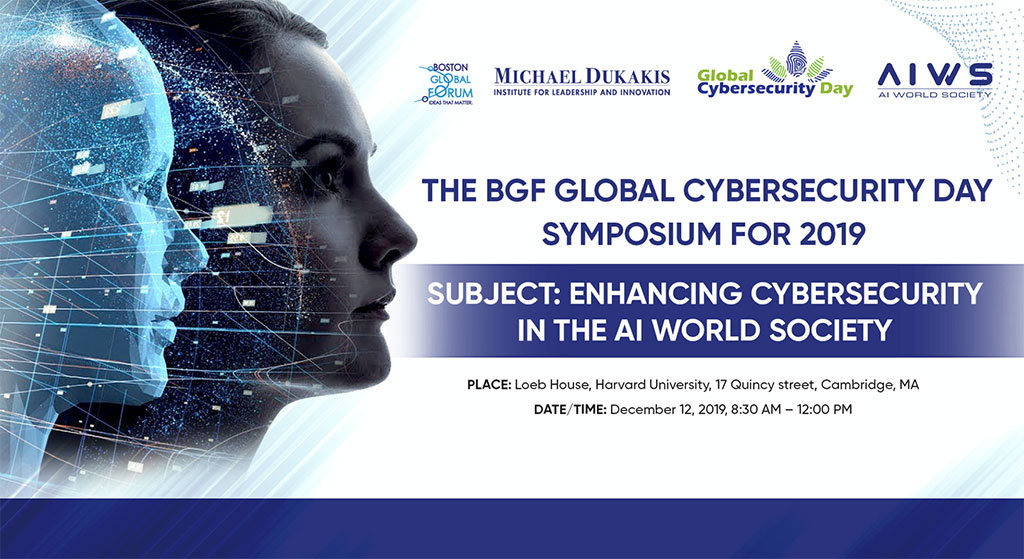
Enhancing cybersecurity in the ai world society

SPEAKERS 

  • Governor Michael Dukakis, Boston Global Forum
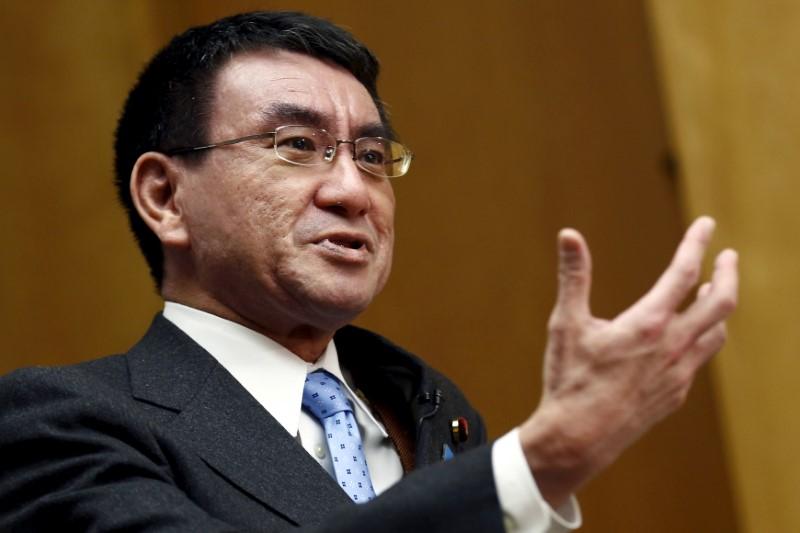
  • Minister Taro Kono, Japanese Ministry of Defense
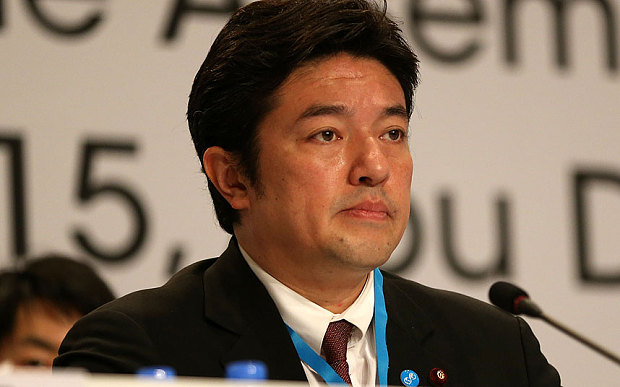
  • Mr. Yasuhide Nakayama, Former Japanese Foreign Affair Vice Minister
  • Prof. Alex Sandy Pentland, MIT
  • Prof. Nazli Choucri, MIT
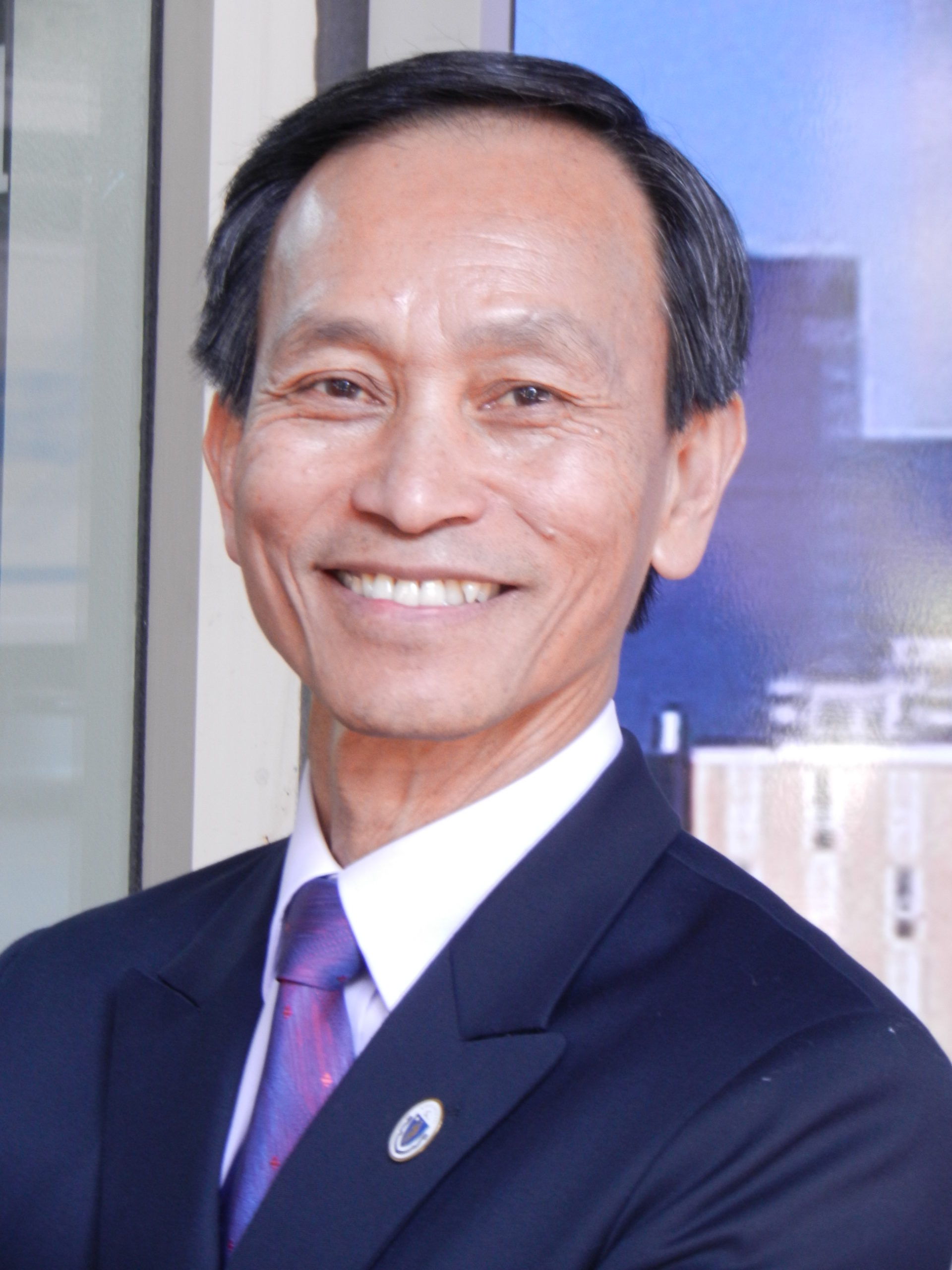
  • Assistant Secretary Nam Pham, Massachusetts
  • Ms. Rebecca Leeper, AI World Society Innovation Network
  • Prof. Thomas Patterson, Harvard
NAZLI CHOUCRI
NAZLI CHOUCRI
Member of Boston Global Forum’s Board of Thinkers
See more
Nazli Choucri is Professor of Political Science of MIT. Her work is in the area of international relations, most notably on sources and consequences of international conflict and violence. Professor Choucri is the architect and Director of the Global System for Sustainable Development (GSSD), a multi-lingual web-based knowledge networking system focusing on the multi-dimensionality of sustainability
Co-founder, member of GC Development Council & Global Citizenship Educators at Global Citizenship Education Network
Michael Dukakis
Michael Dukakis
Co-Founder, Chairman of The Board of Directors and Board of  Thinkers, The Boston Global Forum - Chairman of The Michael Dukakis Institute for Leadership and Innovation
See more
As Co-Founder and Chairman of The Board of Directors and Board of Thinker of The Boston Global Forum, Michael Stanley Dukakis culminates a half-century career dedicated to public service, political leadership, fostering the careers of young leaders, and scholarly achievement.
Democratic Party Nominee for President of the United States, 1988
Taro Kono
Taro Kono
Japanese Minister of Defense
See more
Tarō Kōno is a Japanese politician belonging to the Liberal Democratic Party. He is a member of the House of Representatives, and has served as Minister for Defense since a Cabinet re-shuffle by Prime Minister Shinzō Abe on 11 September 2019
Kanagawa 15th Electoral District (elected eight times)
Rebecca Leeper
Rebecca Leeper
AI World Society Innovation Network - Practitioner
See more
Excellent technical and business communications skills, written and public speaking. Dedicated to integrating new technology with cross- functional teams. Skilled in planning and executing on strict deadlines. Strong leadership and team-oriented attitude.
BSc (Honors) Computer Engineering, AIWS Practitioner
Yasuhide Nakayama
Yasuhide Nakayama
Former Japanese Foreign Affair Vice Minister
See more
Yasuhide Nakayama is a Japanese politician representing the Liberal Democratic Party, elected in December 2012 as a member of the House of Representatives of Japan and was re-elected in the December 2015 and 2017 elections. Mr Nakayama is the current State Minister for Foreign Affairs in the Japanese cabinet
Japanese politician representing the Liberal Democratic Party
THOMAS PATTERSON
THOMAS PATTERSON
Co-Founder and Member of Board of Directors, Boston Global Forum
See more
Thomas E. Patterson is Co-Founder and Member of Board of Directors, Boston Global Forum, and Research Director of The Michael Dukakis Institute for Leadership and Innovation
Research Director of The Michael Dukakis Institute for Leadership and Innovation
ALEX ‘SANDY’ PENTLAND
Co-founder of The Social Contract 2020 - Professor of Media Arts and Sciences
See more
Professor Alex ‘Sandy’ Pentland directs the MIT Connection Science and Human Dynamics labs and previously helped create and direct the MIT Media Lab and the Media Lab Asia in India. He is one of the most-cited scientists in the world, and Forbes recently declared him one of the “7 most powerful data scientists in the world” along with Google founders and the Chief Technical Officer of the United States
Media Lab Entrepreneurship Program Director
NAM PHAM
NAM PHAM
Massachusetts - Assistant Secretary
See more
The Assistant Secretary of Business Development and International Trade, Government of Massachusetts
Assistant Secretary of Business Development

DISCUSSANTS

  • Adrien Abecassis, Advisor for European Affairs and Senior Political Advisor to the President of France
  • Prof. Constantine Arvanitopouluos, Tufts, Former Greek Minister of Education, Culture
  • Nicola De Blasio, Senior Fellow, Belfer Center, Harvard Kennedy School
  • Anders Corr, President of Corr Analyst
  • Sharon Dow, Operating Partner, Dow Private
  • Prof. Duc Tran University of Massachusetts at Boston
  • Juan Gallego, Noreastern University
  • Lyndon Haviland, Adviser of United Nations Secretary General
  • Dang Thu Hien, Fellow, University of Massachusetts at Boston
  • Eugene B. Kogan, Executive Director, American Secretaries of State Project
  • Andrew Lewman, Vice President of DarkOwl
  • Van McComick, Founding Director, International Economic Alliance
  • Fernando Morera, EY
  • Barry Nolan, Executive Board Member of Boston Global Forum, Adviser of US Congress
  • Bill Ottman, Co-Founder and CEO of Minds.com
  • Jean Marc Paudraud, Business Leader in Boston
  • Dick Pirozzolo, Writer
  • Prof. Marc Rotenberg, President of EPIC
  • Jeff Saviano, EY
  • Anina Schwarzenbach, Fellow Belfer Center, Harvard Kennedy School
  • Prof. Jeffrey Shaw, Naval War College
  • Prof. H. David Sherman, Northeastern University
  • Michael Siegel, Principal Research Scientist, Director, Cybersecurity at MIT Sloan
  • Prof. David Silbersweig, Harvard
  • Kate Stebbins, University of Massachusetts
  • Prof. Peter Szolovits, MIT
  • Nguyen Anh Tuan, Boston Global Forum
  • Dang Minh Tuan, Fulbright Scholar at New York University (NYU)
  • Tommy Vallely, Harvard
  • Prof. Christo Wilson, Berkman Center, Harvard
  • Prof. Josephine Wolff, Tufts University
  • Lauren Zabierek, Executive Director of Cybersecurity Project, Belfer Center, Harvard Kennedy School

You can download detail Agenda here

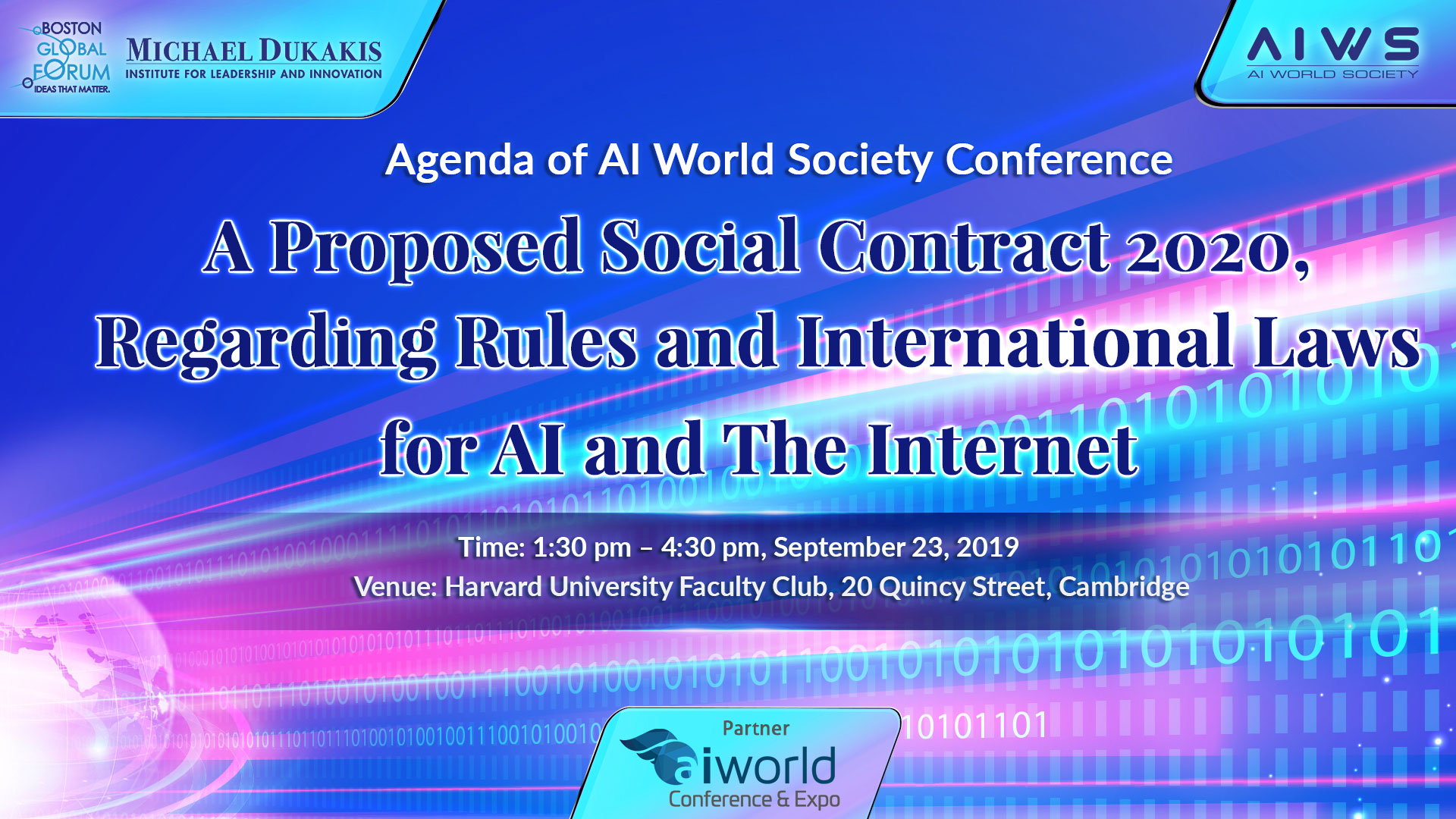
AI CONFERENCE ON 23 SEPTEMBER TO DISCUSS ABOUT THE SOCIAL CONTRACT 2020 AND INTERNATIONAL LAW FOR AI AND THE INTERNET

The Boston Global Forum and Michael Dukakis Institute for Leadership and Innovation will organize the AI World Society Conference on 1:30 pm, September 23, 2019 at Harvard University Faculty Club, to introduce and discuss the Social Contract 2020 and rules and laws for AI and the Internet.

The keynote speaker is Professor Alex Sandy Pentland, who directs the MIT Connection Science and Human Dynamics labs and had previously helped create and direct the MIT Media Lab and the Media Lab Asia in India. He is one of the most-cited scientists in the world and Forbes recently declared him one of the “7 most powerful data scientists in the world”, along with the Google founders and the Chief Technical Officer of the United States; he also co-led the World Economic Forum discussion in Davos that led to the EU privacy regulation GDPR and was central in forging the transparency and accountability mechanisms in the UN’s Sustainable Development Goals.  He has received numerous awards and prizes, such as the McKinsey Award from Harvard Business Review, the 40th Anniversary of the Internet from DARPA, and the Brandeis Award for work in privacy.

Professor Pentland is a co-founder of the Social Contract 2020 and a member of the Board of Thinkers of the Boston Global Forum.

Following the speech of Professor Pentland, Professor Christo Wilson, Northeastern University, Harvard Law School Fellow, and Michael Dukakis Leadership Fellow, will present solutions for AI transparency.

Then, Paul F. Nemitz and Michel Servoz will present Rules and International Laws of AI World Society.

Paul F. Nemitz is the Principal Advisor in the Directorate General for Justice and Consumers. He was appointed by the European Commission on 12 April 2017, following a 6-year appointment as Director for Fundamental Rights and Citizen’s Rights in the same Directorate General. As Director, Nemitz led the reform of Data Protection legislation in the EU, the negotiations of the EU – US Privacy Shield, and the negotiations with major US Internet Companies of the EU Code of Conduct against incitement to violence and hate speech on the Internet. He also is a team member of The Social Contract 2020.

Mr. Michael Servoz is the Special Adviser to the President of European Commission, Senior Adviser for  “Robotics, Artificial Intelligence and the Future of European Labour Law” – European Political Strategy Centre (EPSC).

Scholars of Harvard, MIT, Tufts will join the AI World Society Conference as participants.

Download Agenda for this conference here

FRAMEWORK FOR PEACE AND SECURITY IN THE 21ST CENTURY


SPEAKERS AND DISCUSSANTS

  • Governor Michael Dukakis, Co-founder and Chairman of the Boston Global Forum, Co-Chair
  • Stratos Efthymiou, Consul General of Greece in Boston, Co-Chair
  • Prof. Stephen Walt, Harvard Kennedy School
  • Prof. Nazli Choucri, MIT
  • Prof. Thomas Patterson, Harvard Kennedy School
  • Prof. David Silbersweig, Harvard Medical School
  • Prof. Thomas Creely, Naval War College
  • Barry Nolan, Adviser of US Congress
  • Nguyen Anh Tuan, Co-founder and CEO of the Boston Global Forum
  • Prof. Constantine Arvanitopoulos, the Karamanlis Chair at the Fletcher School of Law and Diplomacy, Professor of International Relation, Tufts University
  • Prof. Christo Wilson, Northeastern University, Harvard Law School Fellow, Michael Dukakis Leadership Fellow
  • Nguyen Phan Nguyet Minh, AI World Society Young Leader

You can download detail Agenda here 

LIVE SCHEDULE UNITED NATIONS ACADEMIC IMPACT CHARTER DAY LECTURE

Wed 26 Jun 2019 10:00 AM – 1:00 PM (Time zone: Eastern Time US & Ca)

If you would like to join the discussion online you can watch the event live at webtv.un.org.

Our speaker will be Dr. David A. Bray, whose talk Artificial Intelligence, the Internet and the Future of Data: Where Will We Be in 2045? , will examine the impact of technology on the mission of the UN 100 years after its creation.

Dr. Bray has served as Executive Director for the People-Centered Internet Coalition focused on providing support and expertise for community-based projects that measurably improve people’s lives using the internet. Business Insider named him one of the top “24 Americans Who Are Changing the World under 40″ and he was named a Young Global Leader by the World Economic Forum for 2016-2021, a Marshall Memorial Fellow and a Senior Fellow with the Institute for Human-Machine Cognition.

Dr. Bray’s talk will be followed by reflections of discussants and a larger conversation with the audience. The invited discussants include:

  • Fabrizio Hochschild, United Nations Under Secretary-General and Special Adviser on the Preparations for the Commemoration of the Seventy-Fifth Anniversary of the United Nations
  • David Silbersweig, Stanley Cobb Professor of Psychiatry at Harvard Medical School
  • Mariko Gakiya, Director, Global Leadership for Health, Peace and Human Security, Boston Global Forum
  • Nam Pham, Department of Business Development and International Trade , State of Massachusetts
  • Atefeh Riazi, UN Assistant Secretary-General, Chief Information Technology Officer , United Nations Office of Information and Communications Technology

LETTER FROM GOVERNOR MICHAEL DUKAKIS FOR AI WORLD SOCIETY SUMMIT

Boston, May 28, 2019

Dear friends,

In a world that is being buffeted on every side by technological innovations, political transitions and social turmoil, there is one thing most people can readily agree on about: The coming revolution of Artificial Intelligence holds both enormous promise and great potential peril.

The real world applications of AI will bring revolutionary changes and will have profound effects on the future of humanity. The changes will bring challenges to societal norms and economic models that we have relied on for decades. And we would be wise to prepare for all that will mean.

A century and a half ago, the industrial revolution brought with its great benefits that freed millions from back breaking toil and lifted our standard of living. But the industrial revolution also brought wrenching economic dislocation, new problems and new risks. And so, it will surely be with the coming AI revolution. Innovations now in the pipeline will bring economic dislocations and other risks that may well threaten peace and security around the globe. Our world as we know it could end, not with a bang, but rather with the click-click-click of a cyber attack.

In the past, when technological innovations led to the creation of terrible new weapons, it was only after they were used in warfare that the world came together to craft agreements, sign conventions, and work in union to prohibit their future use.

Technological innovation has now produced the threat of large-scale Cyber warfare. So, let’s do things differently this time. Let’s come together before these revolutionary weapons are used in acts of war between nation states. Let’s act now to develop global standards, International laws, societal norms, and binding conventions before the coming revolution sets loose terrible new destructive forces.

Our national governments have been slow to act. And International bodies such as the United Nations have yet to effectively address the problem. That is why the Boston Global Forum is calling for civilian organizations, non-profits, NGOs, and leaders, thinkers, scholars of every view and variety around the world, to join hands in an effort to build the Artificial Intelligence World Society.

And it is why we invite you now, to join in this important work, before the malware starts flying. We ask for your help and insights. We ask you to point us toward the breakthrough solutions that will help insure that the world gets all the best from applied artificial intelligence, while minimizing the threats and dangers.

We hope to make the AI World Society Summit a place where the brightest minds on the planet can work together, to find the innovative solutions that will help us build a brighter future. We ask you to join us, and we ask for your insights.

Here is our email address to send us your thoughts:
[email protected]

Here is our “snail mail” address to send us your correspondence:
67 Mount Vernon street, Unit F, Beacon Hill, Boston, MA 02108, USA

Here is a link where you can sign up to get our newsletter:

We look forward to hearing your ideas.


Sincerely.

Governor Michael Dukakis, Chairman and Co-founder of the Boston Global Forum

Nguyen Anh Tuan, CEO and Co-founder of the Boston Global Forum

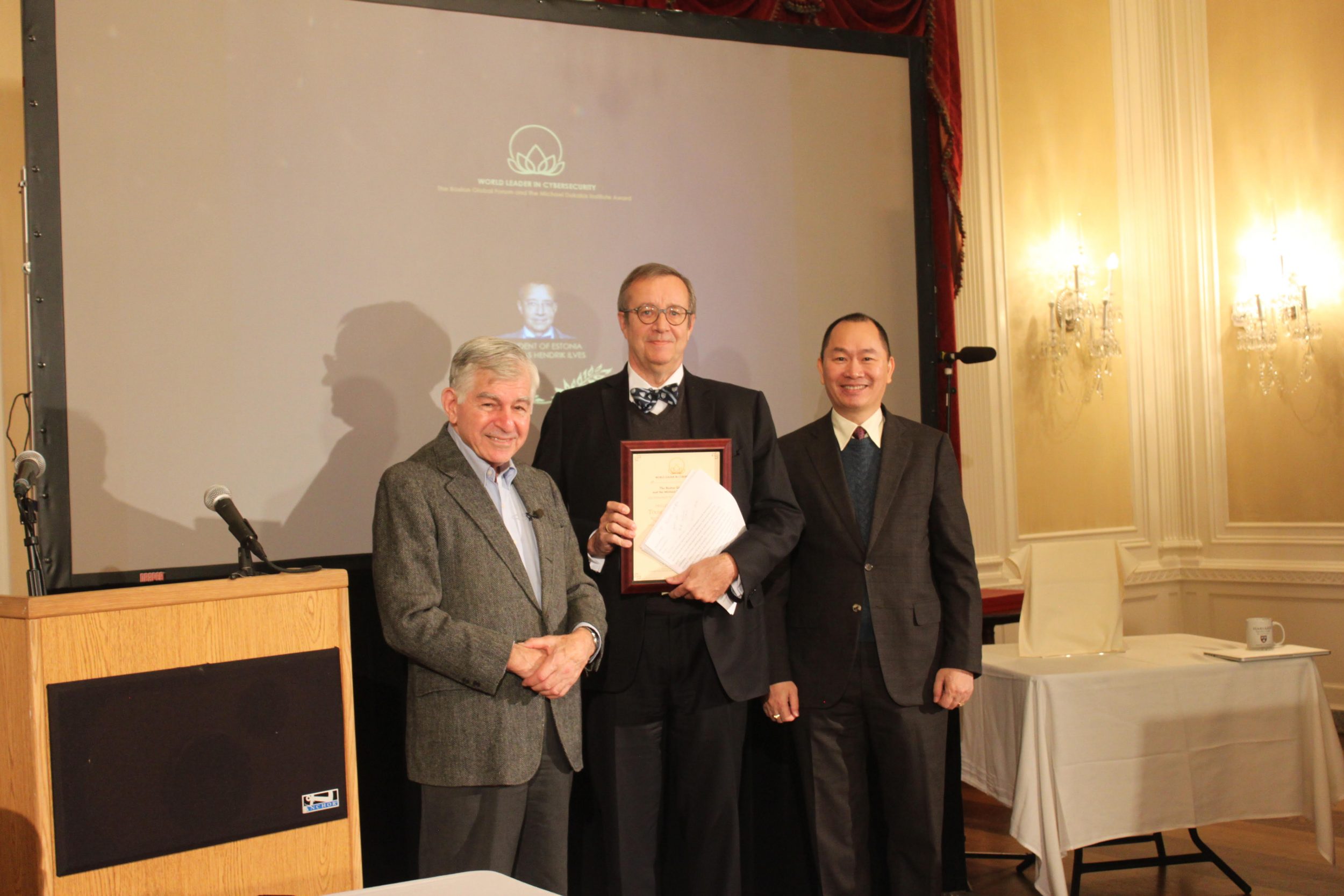
Governor Michael Dukakis and Mr. Nguyen Anh Tuan awarded Estonian President Toomas Hendrik Ives “ World Leader in Peace and Cybersecurity “ at Global Cybersecurity Day December 12, 2017 at Harvard University

THE FUTURE OF AI AND HOW THE DIGITAL WORLD RELATES TO THE PHYSICAL WORLD – PROF. GERSHENFELD’S TALK AT AIWS SUMMIT 2019

The field of AI research was founded more than 50 years ago. In June of 1956, a few dozen scientists from all around the country gathered for a meeting on the campus of Dartmouth College. What they were talking about was how to build a machine that could think.

Many years later, in 2009, some of the pioneers of the field, joined by later generations of thinkers, were gearing up for a massive “do-over” of the whole idea. The new project was called the Mind Machine Project (MMP). Prof. Neil Gershenfeld, Director of MIT’s Center for Bits and Atoms, is one of the leaders of MMP. One of the project’s goals was to create intelligent machines — “whatever that means,” he recalled.

On May 15, 2019, at MIT’s Center for Bits and Atoms, Prof. Gershenfeld gave a keynote talk at the AI World Society Summit 2019 about the future of AI and how the digital world relates to the physical world – the boundary between them.

“It appears that we are in an AI revolution, but it is really important to be aware that we’re now in its fifth boom-and-bust cycle,” said Gershenfeld. The boom and bust cycle refers to the alternating phases of economic growth and decline. What he meant is that, “there are cycles where AI is going to solve all the problems and where AI is going to fail, and we have been through five of those”. What is different today, he explained, is thanks to the advances in computing technology, the computers have caught up to the capability of the brain in terms of the number of operations that can be performed.

Gershenfeld talked about two of the fathers of Computing, Alan Turing and John Von Neumann, emphasizing that Turing’s final study was about how genes give rise to form and Von Neumann’s final study was about self-replicating machines, how a machine can communicate its computation for its own construction. “Literally, the mother of all AI problems is the revolution of AI itself, how intelligence creates intelligence,” said Gershenfeld.

He considered finding representations being the heart of AI. “How to search data has not really changed. What AI algorithms do is to represent where is an interesting place to search. In the same sense, evolution searches over programs that create lives by finding the beautiful representation for the evolutionary search.”

He focused his talk on where we would be ahead of the scaling curve of AI. “We are really living through the third digital revolution”. The first two were digital computing and digital communication; in a nutshell, by digitalization, we can really perform reliable operations using imperfect devices.

The third digital revolution extends this insight into fabrication. He proposed that, with digital fabrication, we can digitalize not just the description of a design but also the materials that it is made from, in the same way that living systems are assembled from a small set of amino acids. A problem with today’s AI, he said, is that AI does not have a “body”, and with digital fabrication, we are getting closer to real AI.

Digital fabrication is challenging fundamental assumptions about the nature of work, money and government. It is a significant breakthrough and will have a big impact on shaping the future of AI. The full video of Professor Gershenfeld’s talk can be found here.

WONDERFUL MEETING BETWEEN THE FATHER OF INTERNET, VINT CERF, AND NGUYEN ANH TUAN

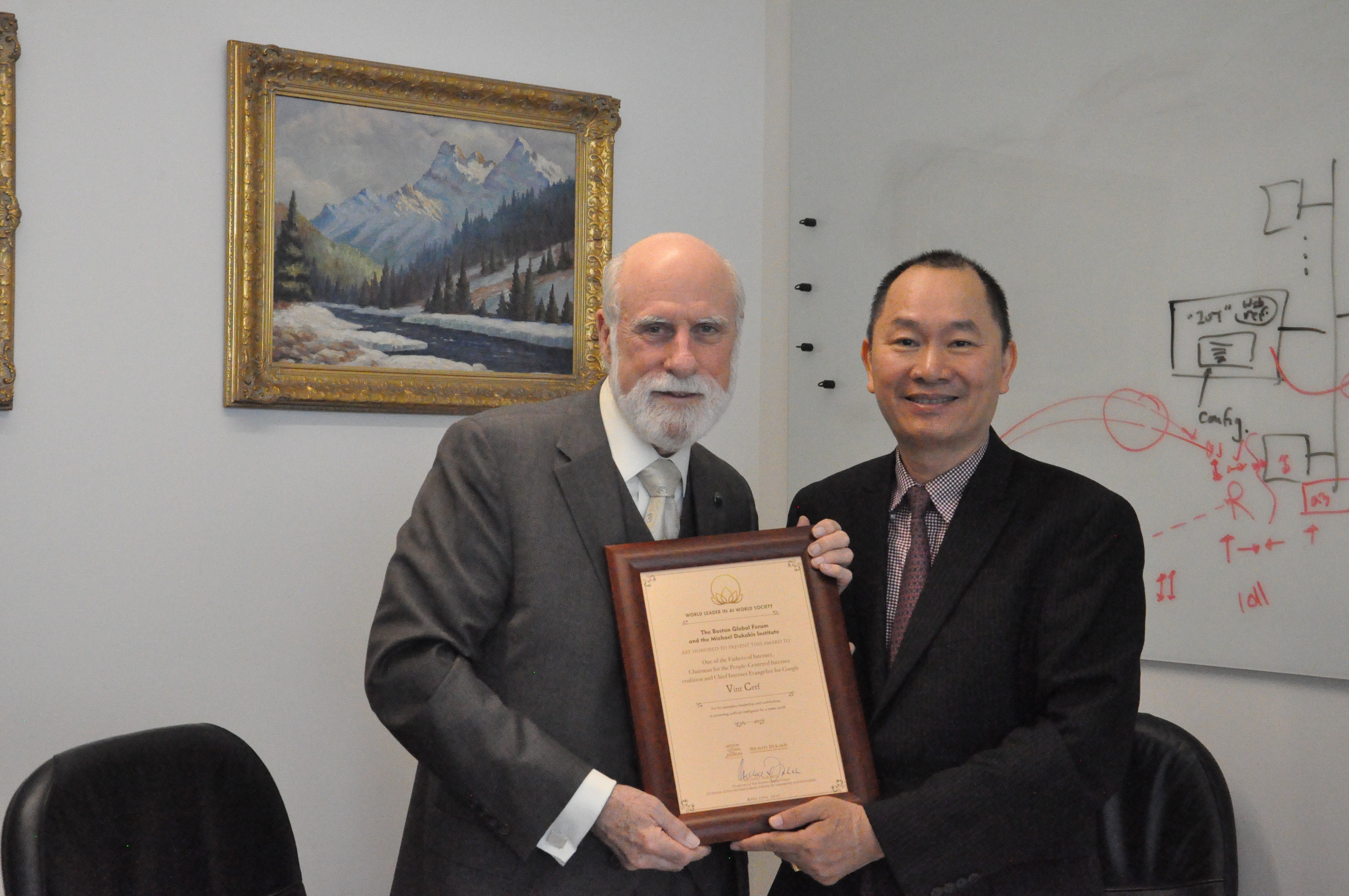
On May 8, 2019, on behalf of the Boston Global Forum, Mr. Nguyen Anh Tuan – the CEO of the Boston Global Forum, held a meeting with Mr. Vint Cerf, “the father of Internet”, Vice President, Chief Internet Evangelist of Google, to award him with the World Leader in AI World Society Award. Earlier on April 25, 2019, at the Artificial Intelligence World Society – G7 Summit Conference held at Loeb House, Harvard University, the Boston Global Forum has honored him. 

During the meeting which was held at Mr. Vint Cerf’s office, the two great minds had discussed about the big changes that are happening in the world in the late 20th and 21st century – the Age of the Enlightenment of Internet and Artificial Intelligence. Together, they talked about how AI and the Internet can be utilized to do great things, and how to minimize the negative aspects and risks that AI can pose to humanity. Mr. Nguyen Anh Tuan and Mr. Vint Cerf agreed sanctions and laws from the civilized and progressive world community are needed to prevent these threats and risks.

Currently, governments lag behind on creating laws that prevent the negative aspects of AI; therefore, there is an immediate need to connect like-minded thinkers, scholars, innovators, business leaders, and non-governmental organizations, etc., to build alliances in order to make the world a peaceful, safe, and new democracy with artificial intelligence and the Internet. Mr. Nguyen Anh Tuan and Mr. Vint Cerf have the enthusiasm, similar goals, and a common path with regards to the future of AI and the Internet and how these inventions can improve lives of people around the world. The meeting opens new initiatives and programs to turn their enthusiasm and ideas into reality. Mr. Nguyen Anh Tuan and Mr. Vint Cerf made appointments for the next meetings and discussions in Boston in July and in other cities to discuss about how AI World Society Summit can make meaningful contributions to humanity.

Mr. Nguyen Anh Tuan was the Director of Teltic Informatics Center, Khanh Hoa Post and Telecom of Vietnam Post and Telecom Corporation (VNPT). At that time, he applied Internet communication protocol TCP / IP invented by Vint Cerf, to build the VietNet Information Highway, Vietnam’s first public computer network using TCP / IP, providing services for the whole of Vietnam since January 1996, 2 years before Vietnam officially provided Internet services. Starting from VietNet network, and with VietNet, Mr. Nguyen Anh Tuan was honored as one of the Top Ten Outstanding Young Talents in 1996.