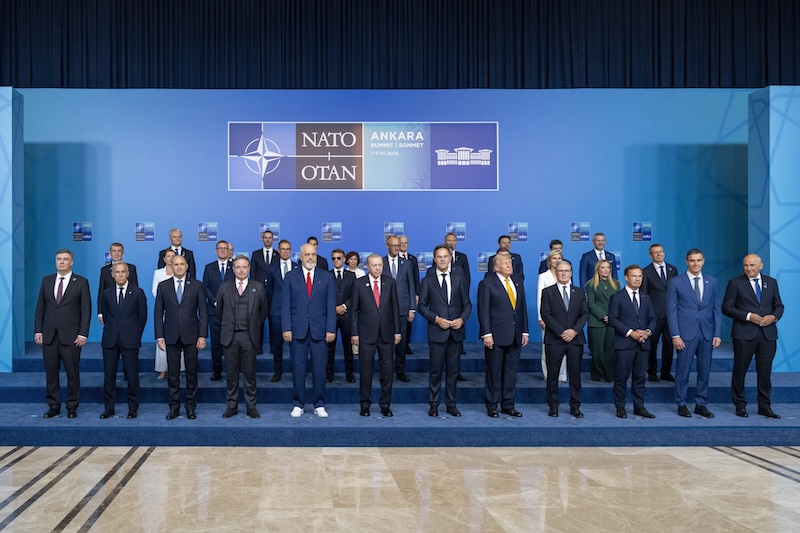

At the NATO Summit in Ankara on July 7–8, 2026, allies debated access to America’s most advanced AI systems. Beneath the surface of procurement numbers and security communiqués, a deeper truth emerged: the most dangerous technology humanity has ever built requires a steward — and the United States, whose constitutional order has constrained power for 250 years, is uniquely positioned to bear that responsibility.
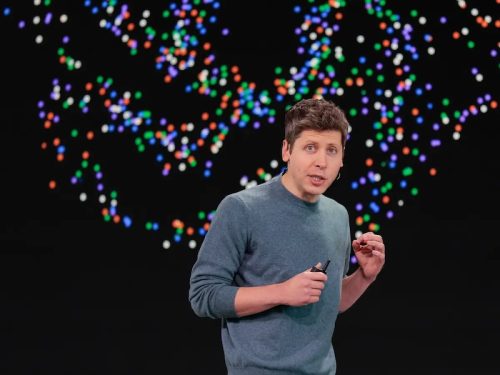
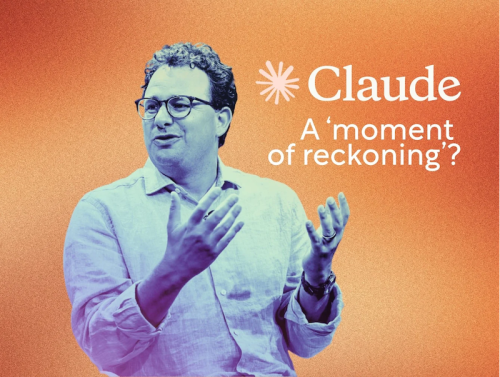
Ankara will be remembered for its metrics: increased defense investment, new procurements, seventy billion euros pledged to Ukraine. Yet the question that will define the decade ran beneath every session. The world’s most capable frontier AI models are built by two American companies — OpenAI and Anthropic — and Washington decides which allies may use them. The newest systems can reportedly identify and exploit security vulnerabilities beyond the reach of most human experts; in one government test, Anthropic’s frontier model reportedly surfaced weaknesses in classified American systems within hours. Such capability is, simultaneously, the strongest shield free nations could hold and a weapon of historic danger.
America’s conduct has been that of a steward, not a monopolist. In June, export controls paused allied access to Anthropic’s most cyber-capable models while safeguards were evaluated; OpenAI’s newest model was initially limited to approved American firms. Access then widened — to some one hundred fifty organizations across more than fifteen countries, including members of the European Union — while a rare Five Eyes warning on AI-enabled cyber threats confirmed why caution had been warranted. Prudence first, partnership after — that is what responsibility looks like when the stakes are civilizational.
Some in Europe interpret this as dependence and call for strategic autonomy. The concern is understandable; the conclusion is mistaken. A technology this dangerous must have a gatekeeper. The real question is not whether power over frontier AI will be concentrated — it will be — but in whose hands. A nation of laws, checks and balances, free press, elections, and a written constitution that has constrained power for two and a half centuries: this political order, imperfect yet enduring, remains the best foundation humanity has produced. Frontier AI governed under it is safer — for Americans and allies alike — than frontier AI diffused to the highest bidder or mastered first by systems accountable to no one.
This is the meaning of the calendar’s remarkable symmetry. Four days before Ankara, on July 4, 2026 — the 250th anniversary of American independence — the Boston Global Forum and AIWS proclaimed The Boston Declaration: On the Primacy of the Human Person in the Age of Artificial Intelligence. Its principle of Human-in-Command extends America’s founding insight to the AI age: final judgment and moral responsibility belong to human beings acting under agreed principles. And the AIWS Trust Infrastructure — Trust Standards written with democracies, Trust Ratings verified openly — offers America a form of leadership that is not dominance but stewardship: power bound to principle, so that allies follow not from necessity but from confidence.
Two hundred and fifty years ago, America wagered that power constrained by principle is stronger than power alone — and built the most trusted order in history upon it. Stewarding the age of artificial intelligence is the next chapter of that wager. From Philadelphia in 1776 to Boston on July 4, 2026, the thread holds: the nation that binds its own strength to principle is the nation the world can trust to hold the gate.