Opening Remarks of Professor Thomas Patterson at Global Cybersecurity Day “Framework for Global Law and Accord on AI and Digital”

Boston, December 12, 2021

Welcome.

I’m Tom Patterson, co-founder of the Boston Global Forum.

It was on this day nine years ago that Mike DukakisJohn QuelchNguyen Anh Tuan, and I founded the Boston Global Forum. Every year since then, we’ve marked December 12th with a conference and a new initiative.

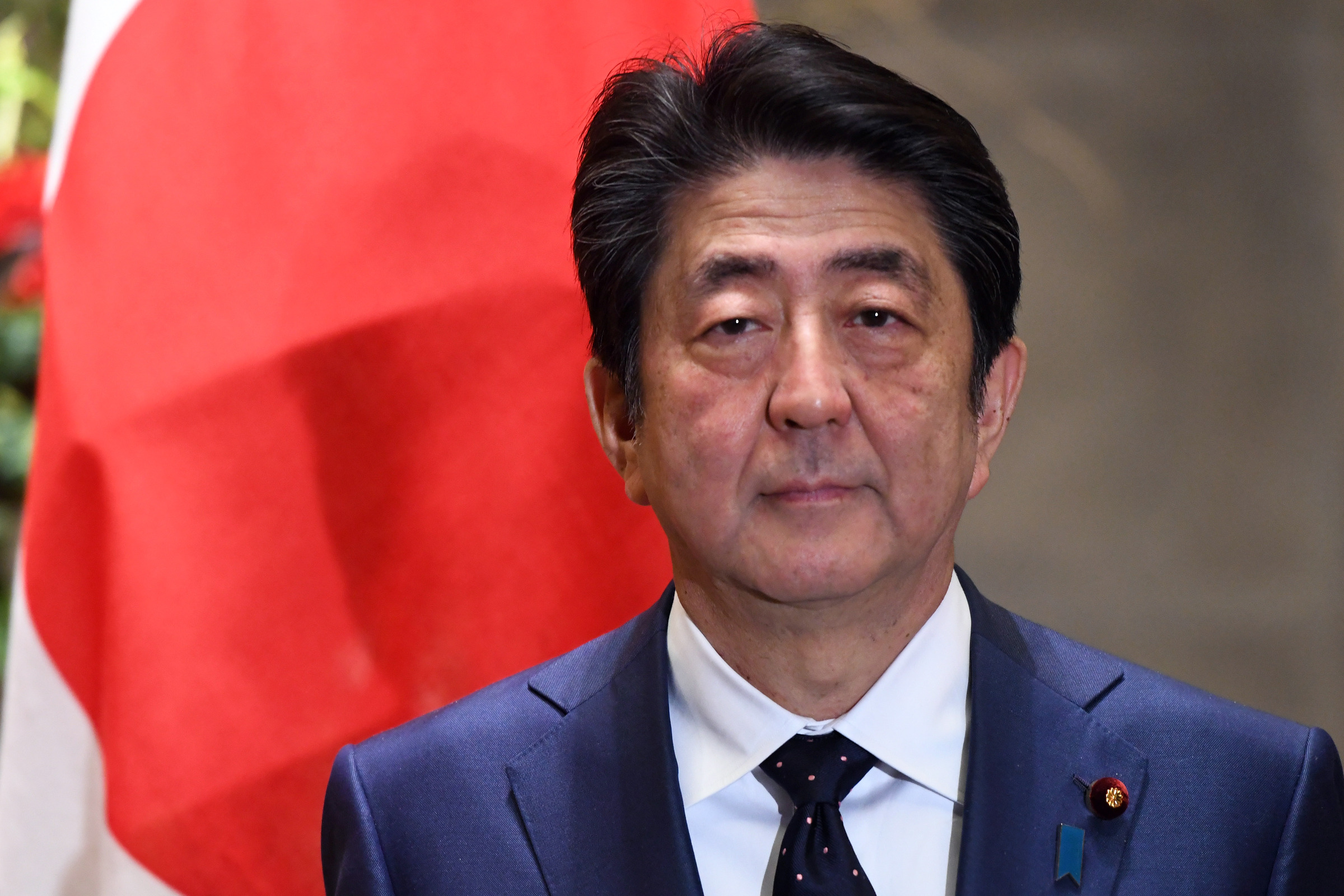
The 2015 conference, for example, marked the announcement and creation of Global Cybersecurity Day, a conference at which we recognized and honored Japanese Prime Minister Shinzo Abe, and German Chancellor Angela Merkel, and in the 2016 conference we recognized and honored UN Secretary General Ban Ki-Moon.

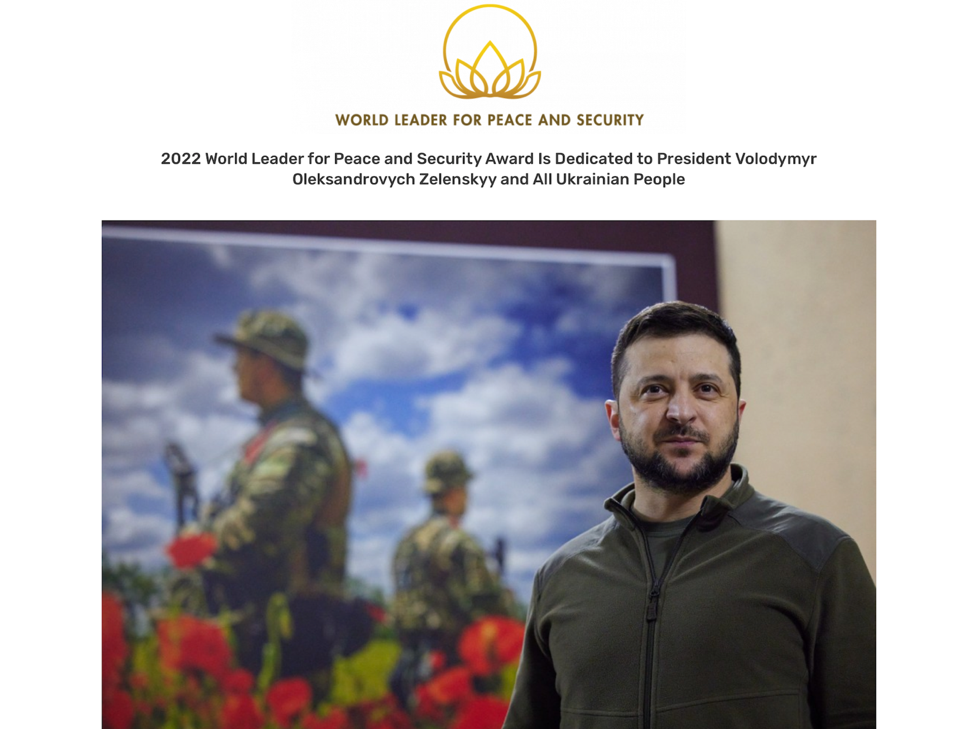
And December 12th is when we present our annual World Leader for Peace and Security Award. This year’s recipient is Andreas Norlen, Speaker of Sweden’s Riksdag – that nation’s national Parliament. Speaker Norlen is with us today.

Before introducing Boston Global Forum’s chairman, Mike Dukakis, I want to say a few words about some things that the Boston Global Forum has done during the past year.

We’ve been working closely with the Club de Madrid, which is the organization whose members are former presidents and prime ministers of democratic nations. Across several conferences, we’ve been looking at the challenges and opportunities presented by the digital revolution, and particularly by Artificial Intelligence.

Together, we’ve promoted the need for a new social contract, one that can advance AI’s potential for good while mitigating the threats that it poses. A social contract that would, for example, protect the right of individuals to their privacy and from exploitation by those who would use their personal data to manipulate their consumer or political choices. A social contract that would also prohibit governments from using AI as a tool for repressing dissent. The social contract would extend beyond what’s prohibited to what must be done to empower ordinary citizens, such as guarantees of digital literacy and access.

The agenda for today’s discussion is an extension of that work – the need for an International Accord on the use of AI and Digital.

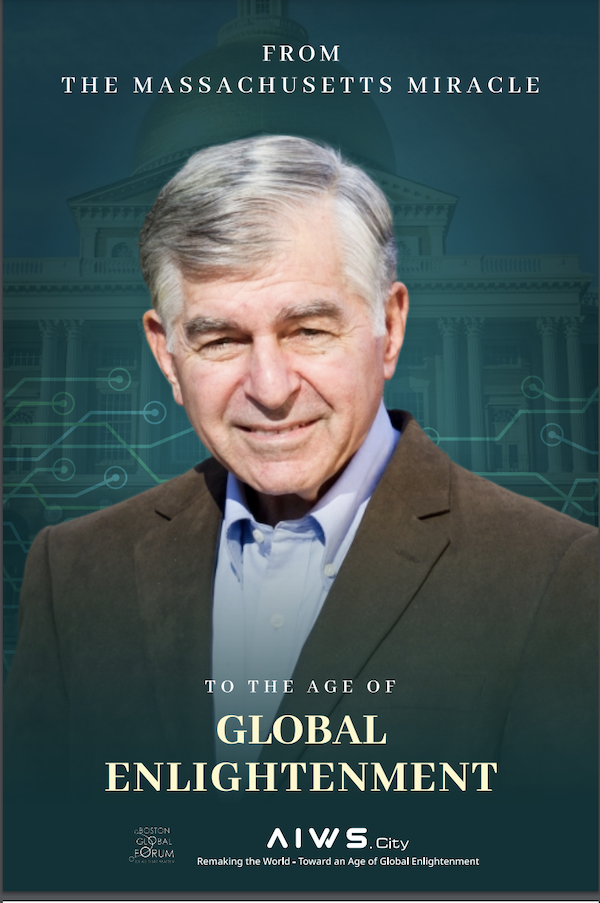
The past year has also been marked by publication of the book, “Remaking the World: Toward an Age of Global Enlightenment.”

Edited by the Boston Global Forum’s CEO, Nguyen Anh Tuan, and including chapters by more than two dozen prominent leaders and thinkers, it was developed in collaboration with Ramu Damodaran, founding director of the United Nations Academic Impact Program.

The book is a visionary look forward to the year 2045, the centennial of the United Nations, and asks what must be done between now and then to fulfill the UN’s founding vision.

In a conference this past Thursday, the leaders of Vietnam’s Khánh Hòa Province pledged to implement many of the programs contained in the book, in order to create a model that can be emulated by governments elsewhere.

Finally, I’d like to give a special word of thanks to Tuan, who as those associated with this organization know, is its driving force.

Tuan is our organizer, our networker, and our leading thinker. Many of the initiatives that have marked the Boston Global Forum’s work these past nine years have come from the mind and dedication of Tuan. And most of you who are with us today were brought into the Boston Global Forum by Tuan’s efforts.

On behalf of everyone here, Tuan, I want to thank you for all that you do for the Boston Global Forum.

Let me now hand the floor over to Michael Dukakis, Boston Global Forum’s chairman. Mike has been part of the Boston Global Forum since its founding and has guided not only our December 12th conferences but the others that we hold each year.

Mike was three times elected as governor of Massachusetts, was the 1988 Democratic Party presidential nominee, and is currently Distinguished Professor Emeritus at Northeastern University.

Mike, the floor is yours.

The Final Report of Policy Lab Fundamental Rights in AI; Digital Societies: Towards An International Accord

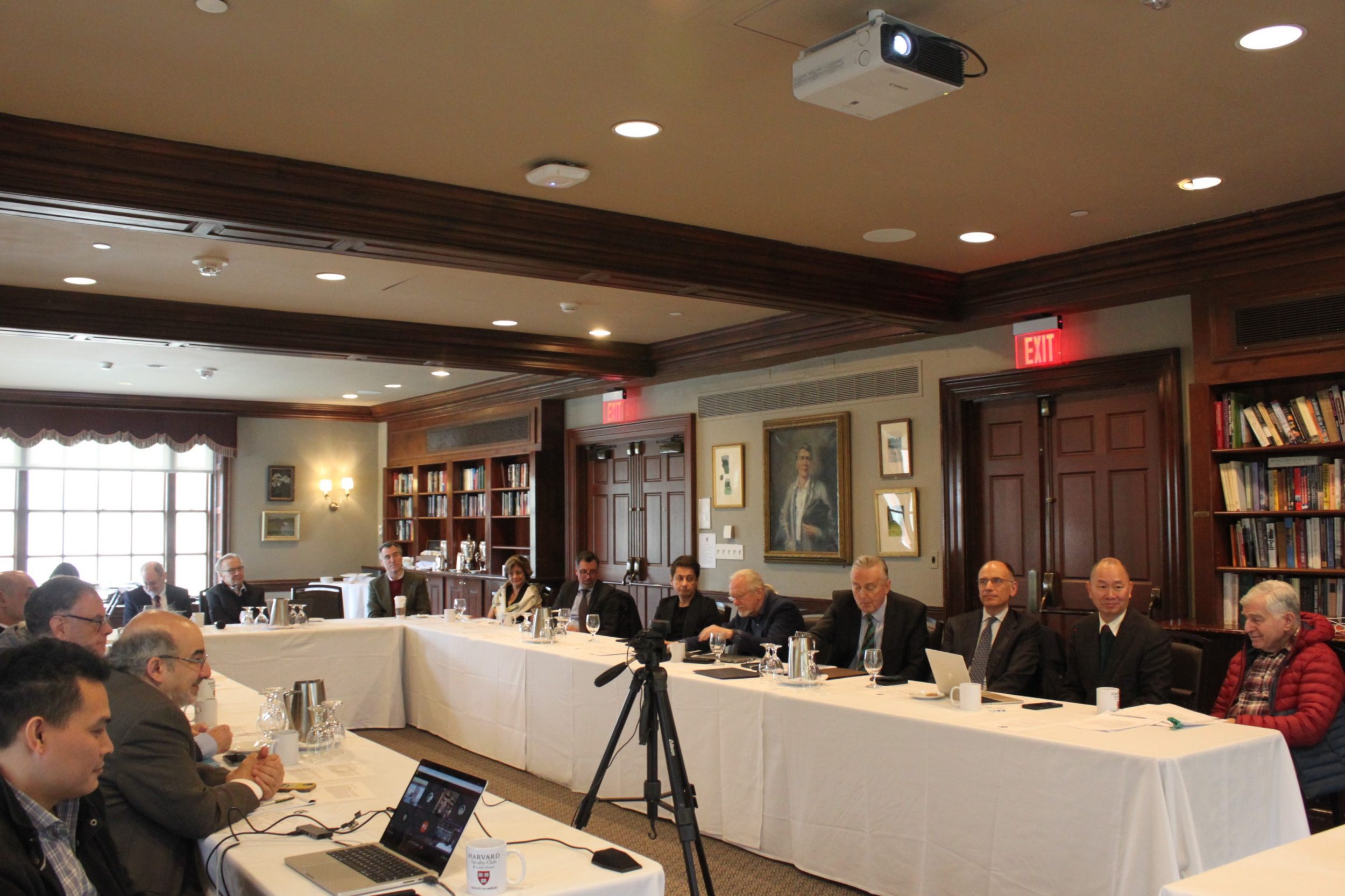
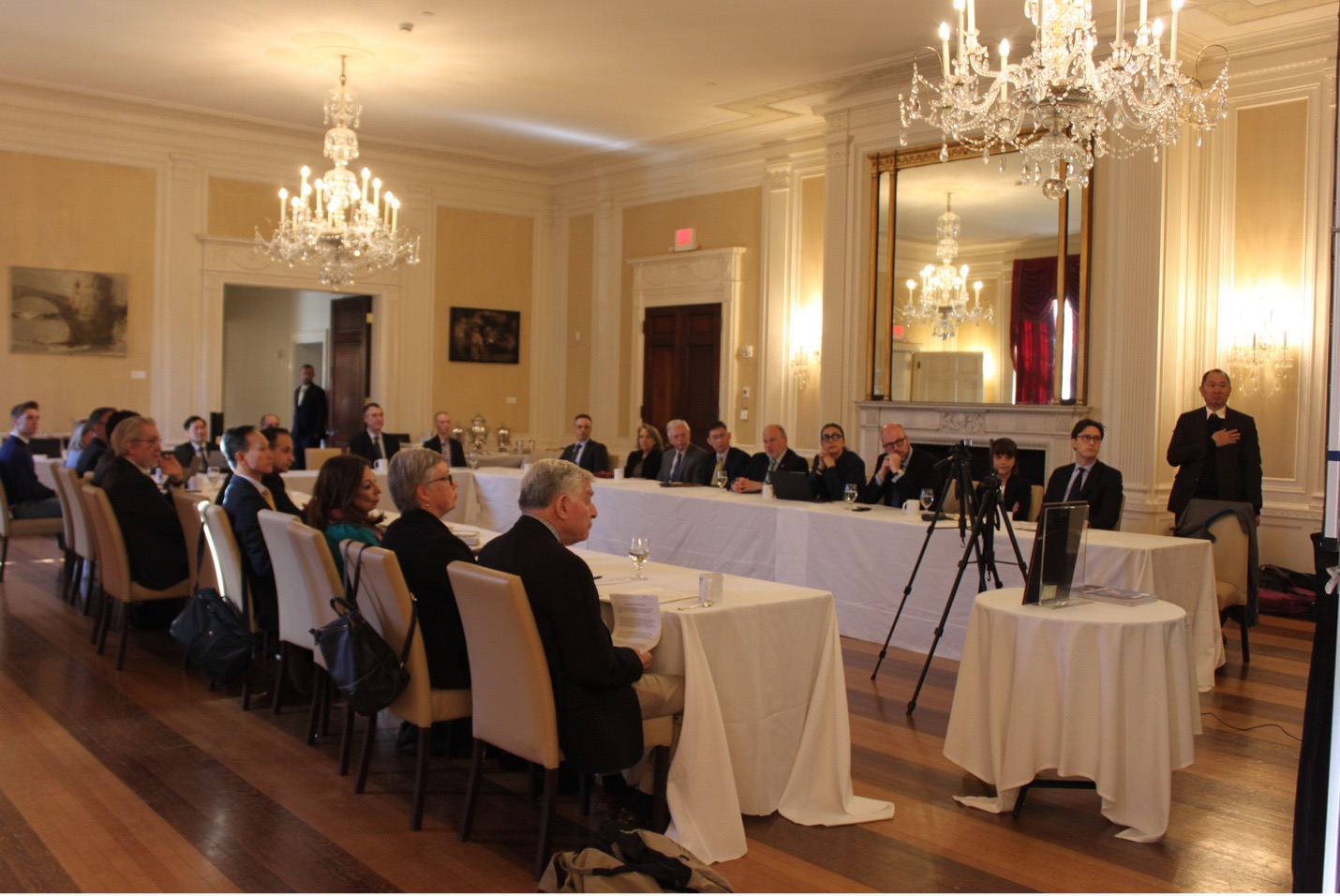
In this context, CdM in partnership with BGF organized a Policy Lab on Fundamental Rights in AI & Digital Societies: Towards an International Accord in September 2021. Multistakeholder discussions aimed to build consensus around a rights-based agenda for the global governance of AI and digital societies, focusing on the following topics:

● Opportunities and threats for fundamental rights in AI & digital societies.

● Transatlantic approaches to protect fundamental rights in AI & digital spaces.

●  The elements & processes for an international legal framework to protect fundamental rights in AI & digital spaces

●  The Concept, Principle and Ecosystem for Digital and AI Society – “Remaking the World, Toward an Age of Global Enlightenment”.

●  The Global Alliance for Digital Governance

●  A framework for a global law and accord on AI and digital tools

The Policy Lab followed the work initiated by both organizations on the implications of digital technologies and AI for democracy, global cooperation and multilateralism, with a particular focus on the Transatlantic space, and based on the progress of the AIWS Social Contract 2020 (Social Contract for the age of AI) and AIWS Innovation Network (AIWS.net).

The anchor of the discussions was a vision for a human-centered digital age. Policymakers around the world and at all levels of government are becoming more convinced of the need to ensure that digital technologies and AI serve the people. CdM and BGF partnered to narrow this gap between the digital and policy-making through a multi-stakeholder discussion that harnessed the political experience and insights of ten CdM Members, current political leaders, representatives from business, academia and other high-level experts.

Download the Final Report is here.

Forbes: AIWS are the New Paths for Politics and Society

On August 4, 2021, Forbes published the article:

Developing Coherent AI Infrastructure For Smart Cities by Annie Brown

https://www.forbes.com/sites/anniebrown/2021/08/04/developing-coherent-ai-infrastructure-for-smart-cities/?sh=6b4590a91d3f

Here are an excerpt of the article:

New Paths for Politics and Society

AI unlocks the capacity for data to be used in transformational ways, but it still requires guidelines. A growing body of AI specialists see the powerful potential of AI to play a role in both politics and society, if the right standards are in place.

It’s called the AI World Society (AIWS) and aims to build “A Better World With AI.” Composed of leaders from around the world, this body is attracting leaders from technology, world governments, and innovators who recognize AI’s key role in building a better tomorrow.

With representation at the UN, the G7 Summit, the AI International Accord Conference—and with a growing body of sponsored research and thought leadership—AIWS may provide much-needed guardrails to the ever-increasing supply of AI-powered tools, including smart cities.

AI has the potential to optimize life-saving, life-sustaining resources, including water, electricity, traffic, housing, and education. As the prevalence of AI tools increases, politicians and citizens alike must be empowered to understand and use technology.

Two initiatives by AIWS that have sparked worldwide interest are the AIWS Ecosystem and AIWS City. Co-founder Tuan Nguyen, an esteemed mathematician, explains the concept of the AIWS Ecosystem in this way: “Many things function with a team of systems. AI makes it possible to need and use only one. Enhanced applications make it possible for people to become innovators.”

Tuan Nguyen, AIWS

Data scientists, technologists and other leaders are supporting a structure of models for facilitating a digital age. As an example of their activities, at the 2020 Riga Conference, leaders from AIWS relayed a new policy brief entitled “Social Contract for the Artificial Intelligence Age: Safety, Security, and Sustainability for the AI World.”

AIWS has a growing presence in Paris, Rome, Riga, Vienna, Munich, and now further west into the United States. This body could make it possible for every person to have access to AI tools that make their lives better and easier. In fact, it is their stated mission to provide support to urban environments, but also to rural areas, reducing inequality and connecting people to centralized tools and information.

The City of the Future

Emergency services, community improvements, infrastructure, and the very roads that convey vital goods could all be enhanced by AI-fueled technologies. Some of the simplest ideas have the potential to go the furthest. Dedicated leaders are committed to using AI in safe, thoughtful, and tested ways. Their shared goal? To improve the quality of life for every person in every community around the world.

Global Forum on Fundamental Rights in AI & Digital Societies Ends with Call for Urgent Action to build International Legal & Regulatory Frameworks to Protect

Boston-Madrid, September 9, 2021 — This week’s high-level online Policy Lab, sponsored by the Club de Madrid and Boston Global Forum, explored ideas and strategies to arrive at an International Accord on AI and Digital Rights. The forum ended today with an urgent call to action for stakeholders to work toward an Accord that facilitates innovation while protecting rights in AI and Digital Societies.

The three-day CdM-BGF Policy Lab featured vibrant plenary sessions that facilitated discussions about concepts and issues facing policymakers around the globe as they negotiate frameworks for AI and Digital Societies. Many of the discussions highlighted the significant contributions contained in the new book, “Remaking the World – Toward an Age of Global Enlightenment” published by the UN Centennial Initiative.

On the final day, the Plenary VI session focused on The Social Contract for the AI Age as the standard for the AI International Accord and Global Alliance for Digital Governance. The session, entitled “Building safer, equitable and trustworthy AI and digital societies: The AI International Accord (AIIA)”, featured speakers including:

Facilitator:

William Hoffman, Head of Data-Driven Development, World Economic Forum

Lead Speaker:

Alex ‘Sandy’ Pentland, Director, MIT Connection Science and Human Dynamics labs, Co-author of the Social Contract for the AI Age

Speakers:

Zlatko Lagumdžija, Member of Club de Madrid, Prime Minister of Bosnia and Herzegovina (2001-2002), Distinguished Contributor to the book “Remaking the World – Toward an Age of Global Enlightenment”

Esko Aho, Member of Club de Madrid, Prime Minister of Finland (1991-1995)

Karine Caunes, Global Program Director, Center for AI and Digital Policy (CAIDP)

Gregor Strojin, Chair of the Council of Europe’s Committee on Artificial Intelligence (CAHAI)

Closing Remarks:

Nguyen Anh Tuan, CEO of the Boston Global Forum (BGF), Director of the Michael Dukakis Institute for Leadership and Innovation

María Elena Agüero, Secretary General of Club de Madrid (CdM)

Speakers agreed that the global community cannot wait for governments or international organizations to act. The Global Alliance for Digital Governance will take action to connect think tanks, influencers, experts, and citizens to contribute to building International Laws, International Accord on AI and Digital, while simultaneously working with governments and international organizations towards this goal.

Remaking the World takes a major step toward creating a “rights-based agenda for the global governance of AI and digital societies,” says Nguyen Anh Tuan, who edited the book and serves as CEO of the Boston Global Forum (BGF). “We’re moving toward a framework, an ecosystem, a social contract for the AI age.” Tuan also directs the Michael Dukakis Institute for Leadership and Innovation.

The 256-page book is made up of white papers, speeches, remarks, and other presentations at events held during the pandemic and sponsored or co-sponsored by BGF. Among the contributors are well known policy makers and innovators such as Ursula von de Leyen, President of the European Commission, Ashton Carter, former U.S. Secretary of Defense; Vint Cerf, “the father of the Internet” and Chief Internet Evangelist for Google; former U.N. Secretary-General Ban Ki-moon; and former Massachusetts Governor Michael Dukakis.

The opening chapter, authored by leading scholars and policy makers affiliated with the Boston-based group, proposes a “social contract,” or an agreement among members of global society to cooperate in the interests of social wellbeing. Just as TCP / IP is the platform for communication among internet users, the Social Contract for AI Age is a platform for connection among governments, stakeholders, and private and public institutions. One of many principles enunciated is that individuals have a right to both privacy and “access and control over their own data.”

Tuan added that Remaking the World, along with the Policy Lab, represents the first time that prominent international leaders are coming together to lay the groundwork for global AI accords. The book is currently in an electronic edition and will be available in print soon.

For more information, or to review video summaries of the Policy Lab, please visit: aidigitalrights.com

About the Boston Global Forum

The Boston Global Forum (BGF), in collaboration with the United Nations Centennial Initiative, released a major work entitled Remaking the World – Toward an Age of Global Enlightenment.

More than twenty distinguished leaders, scholars, analysts, and thinkers put forth unprecedented approaches to the challenges before us. These include President of the European Commission Ursula von der Leyen, Governor Michael Dukakis, Father of Internet Vint Cerf, Former Secretary of Defense Ash Carter, Harvard University Professors Joseph Nye and Thomas Patterson, MIT Professors Nazli Choucri and Alex ‘Sandy’ Pentland, and European Parliament Member Eva Kaili.

The BGF introduced core concepts shaping path breaking international initiatives, notably, the Social Contract for the AI Age, an AI International Accord, the Global Alliance for Digital Governance, the AI World Society (AIWS) Ecosystem, and AIWS City.

About the Club de Madrid

Club de Madrid is the world’s largest forum of democratic former Presidents and Prime Ministers, who leverage their individual and collective leadership experience and global reach to strengthen inclusive democratic practice and improve the well-being of people around the world.

As a non-partisan and international non-profit organisation, it counts on the hands-on governance experience of more than 100 Members from over 70 countries, along with a global network of advisers and partners across all sectors of society.

This unique alliance stimulates dialogue, builds bridges and engages in advocacy efforts to strengthen public policies and effective leadership through recommendations that tackle challenges such as, inclusion, sustainable development and peace at the national and multilateral level.

Links and Attachment:

  • Media kit for Policy Lab
  • Registration for Policy Lab
  • About the Boston Global Forum
  • Cover of Remaking the World – Toward an Age of Global Enlightenment

Contact:

Nguyen Anh Tuan: [email protected], 617-286-6589

Jim McManus: j[email protected], 617-413-9232

Global Forum on Fundamental Rights in AI & Digital Societies Highlights Central Role of United Nations Centennial Initiative

Former President of Latvia, Leading Figures from Greece, Viet Nam, International Organizations Call Attention to Growing Need for Rights Accord

Boston-Madrid, September 7, 2021 — During this week’s high-level online Policy Lab to explore ideas and strategies to arrive at an International Accord on Digital Rights, sponsored by the Club de Madrid and Boston Global Forum, the Plenary V session will focus on the upcoming United Nations’ Centennial Initiative and its role in helping to develop such an Accord. The session begins at 9 A.M. EST on Thursday September 9, as part of the three-day Policy Lab.

The UN Centennial Initiative was launched in 2019 by the United Nations Academic Impact in partnership with The Boston Global Forum. The Initiative hosts roundtable discussions, conferences, new concepts, solutions, think pieces, and reflections as we look ahead to the global landscape in 2045—the United Nations Centennial year. It’s mission is: Remaking the World: The Age of Global Enlightenment.

The core concepts of the UN Centennial Initiative include the idea of a social contract for the Artificial Intelligence (AI) age, a framework for an AI international accord, an ecosystem for the “AI World Society” (AIWS) and a community innovation economy.

Some of these ideas have already begun to be put into practice, including the evolution of an AIWS City being developed by NovaWorld in Phan Thiet, Viet Nam as a pilot project. AIWS City is a virtual digital city dedicated to promoting the values associated with AIWS. It looks to bring together a global enlightenment community of scholars, innovators, leaders, and citizens dedicated to fostering thought, creativity, and ethical behavior.

Mr. Tran Dinh Thien, Senior advisor to the Vietnamese Prime Minister, expressed his excitement to build NovaWorld Phan Thiet City into a leading healthcare and wellness tourism destination:

“Nova World Phan Thiet and AIWS City will become a model, representative of the standards and ambitions of the United Nations Centennial Initiative and the World Leadership Alliance-Club de Madrid.

Vietnam invites world leaders, ideologists, and innovators to Phan Thiet, to support the plan to build NovaWorld Phan Thiet City… We look forward to receiving unique ideas and suggestions to help Phan Thiet develop and become a leading ecosystem for a new economy, one for those looking to pioneer in the Age of Global Enlightenment, celebrating the 100th anniversary of the United Nations.”

Ramu Damodaran, Co-Chair of the United Nations Centennial Initiative, will be the lead speaker at the Plenary V session, scheduled for 9 AM EST. The panel will also feature:

●  Former President of Latvia, Vaira Vike-Freiberga, a member of Club de Madrid;

●  Kyriakos Pierrakakis, Minister of State and Digital Governance of Greece, Chair of the Global Strategy Group, OECD

●  Thomas Patterson, Research Director of The Michael Dukakis Institute for Leadership and Innovation, Professor of Government and the Press of Harvard Kennedy School

●  Sean Cleary, Advisor of Club de Madrid, Executive vice-chair of the FutureWorld Foundation, Member of the Carnegie Council’s Artificial Intelligence & Equality Initiative’s Board of Advisors

●  Tran Dinh Thien, Professor, Senior Advisor to Vietnamese Prime Minister

The Facilitator for the session will be David Silbersweig, Chairman, Department of Psychiatry and Co-Director for Institute for the Neurosciences, Brigham and Women’s Hospital, Harvard University Professor.

The policymakers, including former presidents and prime ministers, will convene September 7-9 for a virtual “Policy Lab” co-sponsored by the Club de Madrid and Boston Global Forum. In advance of the gathering, the Boston Global Forum has teamed up with United Nations Academic Impact to release Remaking the World: Toward an Age of Global Enlightenment.

Together with the upcoming Policy Lab, Remaking the World takes a major step toward creating a “rights-based agenda for the global governance of AI and digital societies,” says Nguyen Anh Tuan, who edited the book and serves as CEO of the Boston Global Forum (BGF). “We’re moving toward a framework, an ecosystem, a social contract for the AI age.” Tuan also directs the Michael Dukakis Institute for Leadership and Innovation.

The 256-page book is made up of white papers, speeches, remarks, and other presentations at events held during the pandemic and sponsored or co-sponsored by BGF. Among the contributors are well known policy makers and innovators such as Ashton Carter, former U.S. Secretary of Defense; Vint Cerf, “the father of the Internet” and Chief Internet Evangelist for Google; former U.N. Secretary-General Ban Ki-moon; and former Massachusetts Governor Michael Dukakis.

The opening chapter, authored by leading scholars and policy makers affiliated with the Boston-based group, proposes a “social contract,” or an agreement among members of global society to cooperate in the interests of social wellbeing. Just as TCP / IP is the platform for communication among internet users, the Social Contract for AI Age is a platform for connection among governments, stakeholders, and private and public institutions. One of many principles enunciated is that individuals have a right to both privacy and “access and control over their own data.”

Elsewhere in the book, political scientist Nazli Choucri of MIT articulates a framework for artificial intelligence international accords, including “the precautionary principle,” which aims not to impede innovation but to “explore the unknown with care and caution.” Likewise, Ursula von der Leyen, president of the European Commission, discusses the need for an AI “ecosystem of trust.” This would include regulation not “for regulation’s sake,” but for the purpose of protecting basic rights, encouraging innovation, and spurring technological leadership. They are among 25 prominent contributors to the book.

Tuan added that Remaking the World, along with the Policy Lab, represents the first time that prominent international leaders are coming together to lay the groundwork for global AI accords. The book is currently in an electronic edition and will be available in print soon.

For more information, or to register to attend the Policy Lab September 7-9, please visit: aidigitalrights.com

About the Boston Global Forum

The Boston Global Forum (BGF), in collaboration with the United Nations Centennial Initiative, released a major work entitled Remaking the World – Toward an Age of Global Enlightenment.

More than twenty distinguished leaders, scholars, analysts, and thinkers put forth unprecedented approaches to the challenges before us. These include President of the European Commission Ursula von der Leyen, Governor Michael Dukakis, Father of Internet Vint Cerf, Former Secretary of Defense Ash Carter, Harvard University Professors Joseph Nye and Thomas Patterson, MIT Professors Nazli Choucri and Alex ‘Sandy’ Pentland, and European Parliament Member Eva Kaili.

The BGF introduced core concepts shaping path breaking international initiatives, notably, the Social Contract for the AI Age, an AI International Accord, the Global Alliance for Digital Governance, the AI World Society (AIWS) Ecosystem, and AIWS City.

About the Club de Madrid

Club de Madrid is the world’s largest forum of democratic former Presidents and Prime Ministers, who leverage their individual and collective leadership experience and global reach to strengthen inclusive democratic practice and improve the well-being of people around the world.

As a non-partisan and international non-profit organisation, it counts on the hands-on governance experience of more than 100 Members from over 70 countries, along with a global network of advisers and partners across all sectors of society.

This unique alliance stimulates dialogue, builds bridges and engages in advocacy efforts to strengthen public policies and effective leadership through recommendations that tackle challenges such as, inclusion, sustainable development and peace at the national and multilateral level.

Links and Attachment:
· Media kit for Policy Lab
· Registration for Policy Lab
· About the Boston Global Forum
· Cover of Remaking the World – Toward an Age of Global Enlightenment

Contact:
Nguyen Anh Tuan. Email: [email protected], 617-286-6589 or Jim McManus: [email protected], 617-413-9232

In Advance of International Parley, New Book Pushes for Global Accords on Artificial Intelligence

Leading policymakers from around the world explore promise and pitfalls of new technologies

Boston-Madrid, September 2, 2021. As leading policymakers from around the world prepare for a pivotal meeting on digital technologies and Artificial Intelligence, a first-of-its-kind book is drawing attention to the bold idea of establishing international accords to help guide the evolution of AI while safeguarding against potential abuses.

The policymakers, including former presidents and prime ministers, will convene September 7-9 for a virtual “Policy Lab” co-sponsored by the Club de Madrid and Boston Global Forum. In advance of the gathering, the Boston Global Forum has teamed up with United Nations Academic Impact to release Remaking the World: Toward an Age of Global Enlightenment.

Together with the upcoming Policy Lab, Remaking the World takes a major step toward creating a “rights-based agenda for the global governance of AI and digital societies,” says Nguyen Anh Tuan, who edited the book and serves as CEO of the Boston Global Forum (BGF). “We’re moving toward a framework, an ecosystem, a social contract for the AI age.” Tuan also directs the Michael Dukakis Institute for Leadership and Innovation.

The 256-page book is made up of white papers, speeches, remarks, and other presentations at events held during the pandemic and sponsored or co-sponsored by BGF. Among the contributors are well-known policy makers and innovators such as Ashton Carter, former U.S. Secretary of Defense; Vint Cerf, “the father of the Internet” and Chief Internet Evangelist for Google; former U.N. Secretary-General Ban Ki-moon; and former Massachusetts Governor Michael Dukakis.

The opening chapter, authored by leading scholars and policy makers affiliated with the Boston-based group, proposes a “social contract,” or an agreement among members of global society to cooperate in the interests of social wellbeing. Just as TCP / IP is the platform for communication among internet users, the Social Contract for AI Age is a platform for connection among governments, stakeholders, and private and public institutions.

One of many principles enunciated is that individuals have a right to both privacy and “access and control over their own data.”

Elsewhere in the book, political scientist Nazli Choucri of MIT articulates a framework for artificial intelligence international accords, including “the precautionary principle,” which aims not to impede innovation but to “explore the unknown with care and caution.” Likewise, Ursula von der Leyen, president of the European Commission, discusses the need for an AI “ecosystem of trust.” This would include regulation not “for regulation’s sake,” but for the purpose of protecting basic rights, encouraging innovation, and spurring technological leadership. They are among 25 prominent contributors to the book.

Tuan added that Remaking the World, along with the Policy Lab, represents the first time that prominent international leaders are coming together to lay the groundwork for global AI accords. The book is currently in an electronic edition and will be available in print soon.

For more information, or to register to attend the Policy Lab September 7-9, please visit: http://www.clubmadrid.org/policy-lab-fundamental-rights-in-ai-digital-societies-towards-an-international-accord/and https://aidigitalrights.com/

About the Boston Global Forum

– The Boston Global Forum (BGF), in collaboration with the United Nations Centennial Initiative, released a major work entitled Remaking the World – Toward an Age of Global Enlightenment.   More than twenty distinguished leaders, scholars, analysts, and thinkers put forth unprecedented approaches to the challenges before us. These include President of the European Commission Ursula von der Leyen, Governor Michael Dukakis, Father of Internet Vint Cerf, Former Secretary of Defense Ash Carter, Harvard University Professors Joseph Nye and Thomas Patterson, MIT Professors Nazli Choucri and Alex ‘Sandy’ Pentland, and European Parliament Member Eva Kaili.  The BGF introduced core concepts shaping pathbreaking international initiatives, notably, the Social Contract for the AI Age, an AI International Accord, the Global Alliance for Digital Governance, the AI World Society (AIWS) Ecosystem, and AIWS City.

About the Club de Madrid

Club de Madrid is the world’s largest forum of democratic former Presidents and Prime Ministers, who leverage their individual and collective leadership experience and global reach to strengthen inclusive democratic practice and improve the well-being of people around the world.

As a non-partisan and international non-profit organisation, it counts on the hands-on governance experience of more than 100 Members from over 70 countries, along with a global network of advisers and partners across all sectors of society.

This unique alliance stimulates dialogue, builds bridges and engages in advocacy efforts to strengthen public policies and effective leadership through recommendations that tackle challenges such as, inclusion, sustainable development and peace at the national and multilateral level.

Links and Attachment:

∙ Media kit for Policy Lab

∙ Registration for Policy Lab

∙ About the Boston Global Forum

∙ Cover of Remaking the World – Toward an Age of Global Enlightenment

 Contact: Nguyen Anh Tuan. Email: [email protected]. Phone: 617-286-6589

or Jim McManus: [email protected], 617-413-9232

Remaking the World – the Age of Global Enlightenment

Boston – New York, July 1, 2021

Today, July 1, 2021, the book “Remaking the World – The Age of Global Enlightenment” is officially delivered. This book is a collaboration between the Boston Global Forum (BGF) and the United Nations Academic Impact (UNAI) as a part of the United Nations Centennial Initiative. The official announcement of the book was organized on May 27, 2021.

The book proposes pathways toward a more humane, peaceful, and secure world, largely by harnessing the potential of Artificial Intelligence (AI), blockchain, and other Digital Age technologies. A key proposal is the adoption of an AI International Accord that would bind nations to constructive uses of AI and prohibit destructive uses. The book proposes a Social Contract for the AI Age as the theoretical and ethical foundation of the Accord. The book also proposes the AI World Society (AIWS) as a vehicle through which individuals and civic organizations can help foster an Age of Global Enlightenment.

AIWS seeks to create an AIWS Ecosystem that empowers citizens to create value for themselves, for others, and for society through the application of artificial intelligence, digital, blockchain, and data science technologies. It is a sharing ecosystem that rewards both the creators and users of these technologies, as well as an ecosystem that encourages innovation. It breaks down the hierarchies that traditionally have created unequal power relationships, paving the way to a sharing society. It recognizes the value of every citizen, as well as every citizen’s creative potential.

Governor Michael Dukakis, Co-founder and Chair of Boston Global Forum, states that “the book is significant contribution of BGF and UNAI to shape peace, security, and prosperous world in the AI and Digital Age. Thank Editor Nguyen Anh Tuan for his excellent work for this book and the United Nations Centennial Initiative as well as AI World Society (AIWS).”

Ramu Damodaran, Chief of the United Nations Academic Impact and Co-Chair of the United Nations Centennial Initiative, said on the May 27, 2021, book launching event, “The United Nations Academic Impact is proud to join the Boston Global Forum in an initiative that looks to the 2045 centennial as an opportunity to reframe the possibilities inherent in the United Nations while remaining true to the power of its promise a century earlier.”

Nguyen Anh Tuan, CEO of Boston Global Forum and also a driving force in this initiative, expresses that “This path will require concerted action by governments, individuals, organizations, and firms. Each must be a source of innovation, and each must adhere to AIWS standards and values. Together, we can remake the world and usher in an Age of Global Enlightenment.  I am grateful to the leaders and thinkers whose ideas inform the book. A special thank you is due to Ramu Damodaran for his support of the book project; Governor Michael Dukakis, who heads the Boston Global Forum and has inspired much of my work”.

Professor Alex Sandy Pentland, contributing two chapters of this book, said “Perhaps the main force driving the deployment of interledger technology is the need to repair the world’s tattered finances. This suggests that a new “Bretton Woods” multilateral effort is required, with the goal of establishing interfaces, methods, and exchange standards for digital transaction platforms.”

Distinguished contributors to the book include:

  • Shinzo Abe, Prime Minister of Japan
  • Ash Carter, Former US Secretary of Defense
  • Vint Cerf, “Father of the Internet”, Google
  • Nazli Choucri, Massachusetts Institute of Technology (MIT)
  • Ramu Damodaran, Chief of United Nations Academic Impact
  • Michael Dukakis, Former Governor of Massachusetts, Chair, Boston Global Forum
  • Eva Kaili, Member of the European Parliament
  • Robin Kelly, U.S. Representative (Illinois),
  • Ban Ki-moon, the United Nations Secretary-General
  • Didzis Kļaviņš, University of Latvia
  • Taro Kono, Defense Minister, Japan
  • Zlatko Lagumdzija, Former Prime Minister, Bosnia & Herzegovina
  • Stavros Lambrinidis, EU Ambassador to the United States
  • Ursula von der Leyen, President of European Commission
  • Yasuhide Nakayama, Defense State Minister, Japan
  • Paul Nemitz, Principal Advisor, European Commission
  • Nguyen Anh Tuan, CEO, Boston Global Forum
  • Andreas Norlén, Speaker, Swedish Parliament
  • Joseph Nye, Harvard University
  • Zaneta Ozolina, University of Latvia, Co-Chair of Riga Conference
  • Thomas Patterson, Harvard University
  • Judea Pearl, University of California, Los Angeles (UCLA)
  • Alex “Sandy” Pentland, Massachusetts Institute of Technology (MIT)
  • Sir Iain Duncan Smith, MP, UK Parliament
  • Vaira Vike-Freiberga, President of World Leadership Alliance-Club de Madrid, Former President of Latvia

The book is free to download from July 15, 2021, at  https://un100.net/books-un/

or at https://bostonglobalforum.org/publications/ai-world-society/

or send email to [email protected]

SUBSCRIBE TO DOWNLOAD

The Book "Remaking the World - Toward an Age of Global Enlightenment"

Loading...

About

The United Nations Academic Impact (UNAI) is an initiative of the United Nations that aligns institutions of higher education with the United Nations in supporting and contributing to the realization of United Nations goals and mandates, including the promotion and protection of human rights, access to education, sustainability and conflict resolution.

Since 2010, UNAI has created a vibrant and diverse network of students, academics, scientists, researchers, think tanks, institutions of higher education, continuing education and educational associations. There are over 1400 member institutions in more than 147 countries that reach over 25 million people in the education and research sectors around the world representing a global diversity of regions and a thematic wealth of disciplines.

The Boston Global Forum (BGF) Boston Global Forum (BGF), based in Boston, Massachusetts, was founded to bring together thought leaders and experts from around the globe to participate in open public forums to discuss and solve the most critical issues affecting the world. BGF counts on the important engagement of political leaders, innovators, and top academics from Harvard, MIT and AIWS.net in the development of its work. Some of its most significant Initiatives are the Social Contract for the AI Age, the AIWS City (AIWS.city), and the AI Social Contract Index.

The United Nations Centennial Initiative is an initiative of United Nations Academic Impact that belongs to the United Nations with collaboration by the Boston Global Forum.

The United Nations Centennial include roundtables, ideas, concepts, solutions, essays, and reflections looking ahead to the global landscape in 2045, when the United Nations completes its first centenary, in areas of these technologies, including artificial intelligence, cyber security and weapons systems, among others. Such a compilation which looks both to the horizon ahead and the role of the United Nations in making it beneficial and secure, would be timely.

CONTACTS

Editors and Reporters please contact Mr. Tuan Anh Nguyen, Editor of the book “Remaking the World – The Age of Global Enlightenment”, Co-founder and Chief Executive Officer of The Boston Global Forum: [email protected], Tel., Viber, Whatsapp: +1 617 286 6589

Launching the book “Remaking the world – The Age of Global Enlightenment”

May 27, 8:30 AM – 9:30 AM, EST

8:30 am: Opening Remarks by Mr. Ramu Damodaran, Chief, United Nations Academic Impact

Remarks by Governor Michael Dukakis, Co-founder and Chair, Boston Global Forum

Speech by Professor Alex Sandy Pentland, MIT, “Our Digital Future: from the Internet to the Interledger” and “The Cycle of Prosperity: Ensuring Equal Opportunity”

Speech by Professor Nazli Choucri, MIT, “Framework for the AI International Accord”

Speech by Former Bosnia-Herzegovina Prime Minister Zlatko Lagumdzija

“Artificial Intelligence World Society from an initiative to a doctrine and model remaking the world – the Age of Global Enlightenment”

Speech by Professor Thomas Patterson, Harvard University

Q&A, Moderated by Mr. Ramu Damodaran

9:30 am: Closing Remarks by Mr. Ramu Damodaran

Ambassador Lambrinidis: “Exploring Social Contract for the AI Age, a Framework to ensure an AI ‘Bill of Rights’ in the digital age, is fundamental in international relations today”

On April 28, 2021, Boston Global Forum hosted the AIWS Award and AI International Accord Roundtable where Ambassador Stavros Lambrinidis was awarded the 2021 World Leader in AI World Society (AIWS) and joined with fellow leaders in innovation to discuss the future of AI as we emerge into the Age of Digital and AI. This roundtable follows after Governor Michael Dukakis’ call in 2018 for an international accord on Artificial Intelligence in 2018.

Chaired by Governor Michael Dukakis, Co-Founder and Chairman of the Boston Global Forum, and Nguyen Anh Tuan, CEO of the Boston Global Forum, this discussion addressed the relevance of AI in world society as it impacts our fundamental human rights today. With the increasing adoption of AI globally, our rights to privacy, dignity, and freedom are all at stake.

Our speakers brought notable dialogue to the discussions:

Ambassador Stavros Lambrinidis: “It is our aspiration to create machine that are able to do more and more of our own thinking, selections and decision making. And if that’s our aspiration, we must also take care to ensure that those machines do not make the same mistakes that we humans have been prone to make”.

Ambassador Stavros Lambrinidis raised that “Exploring a social contract for the AI Age, a Framework to ensure an AI ‘Bill of Rights’ in the digital age, is fundamental in international relations today. And in this work, our relationship with the United States is paramount.”

Nazli Choucri presented the Framework for AI International Accord: “As we move on, it’s our responsibility to leave some kind of regulatory framework before the younger generation that has not had the cold war experience, the World War I, the World War II, etc. experience. If we can just organize for them a framing of discourse, it would be a major contribution. That would be considered our generation’s contribution.”

P.S. Raghavan stated that Framework for AI International Accord was: “An excellent comprehensive paper which captures the intricacies of the issues and also the breath of the challenges”

Magnus Magnusson: “Diversity must be integrated in every single step of the AI lifecycle; from creation of algorithms to the collection of data, down to the numerous applications of AI in every aspect in today’s society: healthcare, education, transportation and so forth. This is the only way to ensure all voices will contribute to the development towards policies and frameworks for AI”

Paul Nemitz: “We should be ambitious in our work and see in terms of what we aim for.”

Conversations expressed the need for an AI International Accords to support this new reality of AI as well as facilitate international cooperation regarding this innovative development.

Speakers in the talks included:

  • Ambassador Stavros Lambrinidis, Ambassador of the European Union to the United States
  • Stratos Efthymiou, Consul General of Greece in Boston
  • Ambassador P.S Raghavan, Former Chairman of the National Security Advisory Board, India
  • Nazli Choucri, Professor at MIT, AIWS City’s Board of Leaders
  • Magnus Magnusson, UNESCO Director for Partnerships and Outreach
  • Paul Nemitz, Principal Advisor of European Commission

The AIWS Award and AI International Accord Roundtable provided great insight into AI governance and discussions will be considered in further conversations on the AI International Accords, which is part of AI World Society (AIWS). AIWS is a doctrine and model for remaking the world towards the Age of Global Enlightenment.