

As deepfakes become cheaper, faster, and more convincing, the familiar playbook—better detection, stricter platform rules, tougher laws—looks increasingly insufficient. A Financial Times–style argument gaining traction is that deepfakes are ultimately a democratic governance problem, not only a technical one.
The central proposition is simple: ask citizens what trade-offs they want. Through citizen assemblies, public consultations, and transparent rulemaking, democracies can define what counts as harmful manipulation, what must be labeled, which uses are legitimate (satire, art, accessibility), and what penalties apply for fraud, election interference, or non-consensual deepfake abuse. This approach also builds legitimacy for hard choices—such as watermarking standards, identity verification in high-risk contexts, fast-track takedowns during elections, and liability rules that apply across platforms.
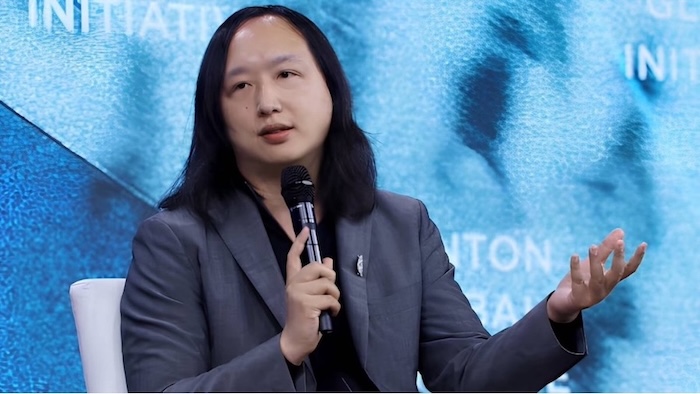
This citizen-first approach echoes the “democracy-as-technology” mindset advanced by Audrey Tang (the 2025 World Leader in AIWS Award recipient): legitimacy comes from participation, transparency, and accountable public systems—not just from better algorithms. In practice, that means pairing technical defenses (provenance, labeling, detection) with durable civic infrastructure that helps society decide what to protect, what to allow, and who is responsible when synthetic media causes harm.